How to Choose the Right Security System for Your Office?

Time:2026-08-25 Author:Isabella
0%

Choosing the right security system for office buildings is critical. Recent studies indicate that 70% of businesses experience security breaches at some point. These incidents not only disrupt operations but also have financial implications. In fact, the average cost of a data breach can exceed $3.86 million, according to IBM's report.

When deciding how to choose a security system for office buildings, businesses must evaluate their specific needs. Factors such as office size, location, and current technology play a significant role. Many companies overlook these aspects, leading to ineffective security measures. Each approach should be customized; a one-size-fits-all strategy rarely protects adequately.

It’s essential to consider professional advice. Consulting security experts can offer insights into industry trends and innovative technologies. Regular assessments and updates to your security system can mitigate risks. Ultimately, a proactive approach and understanding your unique situation are key to safeguarding your office effectively.
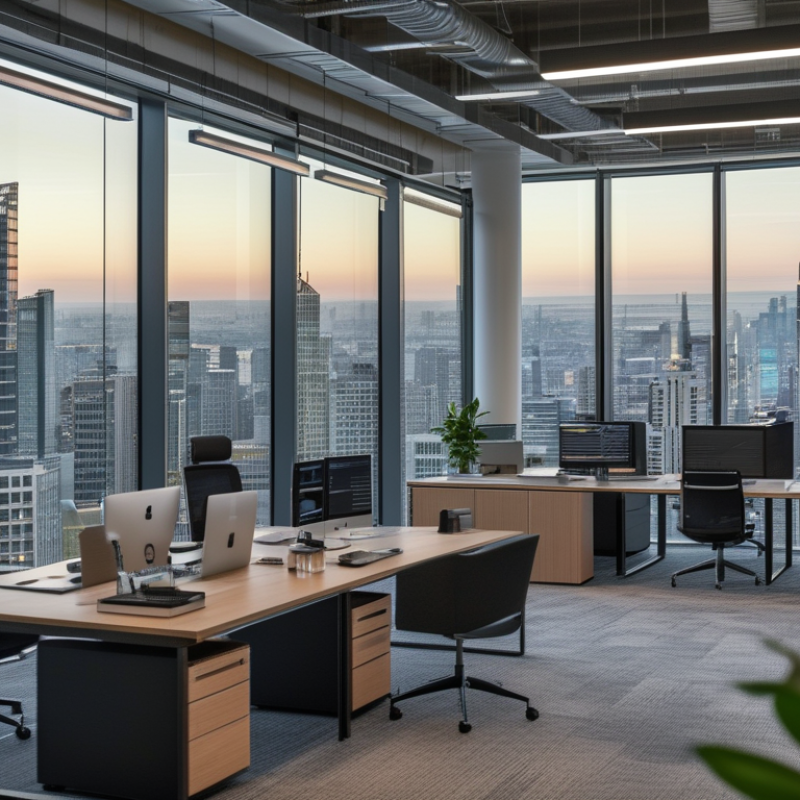
How to Choose the Right Security System for Your Office?

Understanding Your Office Security Needs

Understanding your office security needs is crucial. Many businesses overlook this, leading to inadequate protection. A report by the Security Industry Association found that 70% of small to medium-sized businesses experience a security breach at least once. This statistic highlights the importance of assessing specific vulnerabilities in your office environment.

Offices may face various threats, from unauthorized access to data breaches. Conducting a risk assessment can reveal weaknesses in your existing system. For example, are there blind spots in your surveillance coverage? Are there areas where access controls are lacking? According to a study by the Ponemon Institute, the average cost of a security breach exceeds $3.6 million. This figure emphasizes the need for tailored solutions that address particular threats to your facility.

A one-size-fits-all approach often leads to gaps in security. Regularly review your security policies and practices. Gather employee feedback on potential risks; they may notice issues you haven’t. Determine the types of threats relevant to your business, and design an appropriate response. The right security system should evolve with your needs, ensuring comprehensive protection for your office.

Office Security System Needs Analysis

This chart illustrates the importance ratings of various security measures needed in an office environment. Access control and surveillance cameras are deemed crucial, indicating a higher priority in enhancing office security. Alarm systems and intrusion detection are also significant, but slightly lower in importance.

Evaluating Different Types of Security Systems

When evaluating different types of security systems for an office, consider the specific needs of your workspace. Think about the size and layout. A small office may only need simple cameras. Larger spaces might require advanced access control systems. Each option has its pros and cons.

CCTV cameras can offer valuable surveillance. However, they require proper placement for effective monitoring. The positioning of cameras can sometimes be inadequate, leaving blind spots. Alarm systems are another option. They can alert you to unauthorized access promptly. Yet, false alarms often occur, leading to complacency.

Access control systems enhance security by limiting entry. They can be complex and may cause frustration among employees. Consider user-friendliness and reliability when implementing. Balancing effectiveness and ease of use is vital. Reflect on how each system integrates with your current operations. Security should protect, not hinder productivity. Ultimately, the best system addresses your unique security challenges.

How to Choose the Right Security System for Your Office?

System Type Features Cost Ideal For
CCTV Surveillance 24/7 monitoring, remote viewing, recording $500 - $1,500 Medium to large offices
Access Control Systems Keycards, biometric scanning, entry logs $1,000 - $5,000 Offices with sensitive areas
Alarm Systems Motion sensors, door/window sensors, alert notifications $200 - $1,000 Small to medium offices
Video Intercom Communication with visitors, visual identification $300 - $1,200 Offices with high visitor traffic
Fire Alarm Systems Smoke detectors, heat sensors, emergency alerts $500 - $2,000 All types of offices

Key Features to Look for in a Security System

Choosing the right security system for your office requires careful consideration of essential features. Focus on systems that offer comprehensive surveillance options. Look for high-resolution cameras that provide clear images, especially in low-light conditions. Wireless systems can be more convenient, allowing for flexible camera placement without wiring hassles.

Access control is another critical feature. Systems should allow you to manage employee entry easily. Biometric scanners or keycard systems enhance security. They reduce the risk of unauthorized access, ensuring confidential information stays protected. The best options come with user-friendly interfaces for efficient management.

Networking capabilities are vital, too. A robust security system should integrate with existing IT infrastructure for smooth operation. Consider the option for remote monitoring, allowing you to keep an eye on your office from anywhere. Remember to assess the customer support of the service provider. Quality support can make a significant difference in resolving issues quickly. Security systems can be complex; choose a solution that matches your office’s unique needs. Reflect on how each feature can address potential vulnerabilities in your environment.

Assessing Your Budget for Security Solutions

Assessing your budget for security solutions is a crucial step in safeguarding your office. Start by evaluating your current security needs and future growth. Consider the features you require. Do you need 24/7 monitoring, access control, or video surveillance? Each component comes with a cost. It's essential to outline your priorities clearly.

Next, determine a realistic budget. Allocate funds based on your office size and the nature of your business. Small offices may have different needs compared to larger enterprises. It’s tempting to choose the cheapest option, but defects can emerge later. Consulting with security professionals can provide valuable insights. They can help you uncover potential vulnerabilities that might not be obvious at first glance.

Be aware that even with a set budget, unexpected expenses can arise. It's common to underestimate installation costs or additional features. Flexibility in your budget allows for adjustments as you discover more about what you truly need. Assessments should be ongoing; what works today may not suffice tomorrow. Balancing cost with effective security measures requires thoughtful deliberation.

Integrating Technology in Your Office Security System

Integrating technology into your office security system is essential for modern protection. Smart cameras are a great example. They can monitor real-time footage and send alerts to your devices. High-definition video provides clear images for better identification. This feature allows you to monitor who is accessing your office even when you're away.

Access control systems are another vital component. Keycard entry or biometric scanners can ensure only authorized personnel enter sensitive areas. These systems reduce the risk of unauthorized access. They also log entries and exits, providing a trail for accountability.

Consider also the integration of alarm systems with your security setup. Motion detectors and glass break sensors can alert you instantly about potential breaches. Yet, it’s essential to assess your office’s specific needs. Not every technology suits every setup. Regular evaluations of your system can highlight areas for improvement. Security is an ongoing process, not a one-time fix.

FAQS

: What factors should I consider when choosing a security system?

: Consider your workspace’s size and layout. Small offices may require simpler systems than larger ones.

Are CCTV cameras effective for security?

Yes, but they need proper placement. Inadequate positioning can create blind spots, reducing their effectiveness.

What are the downsides of alarm systems?

Alarm systems alert for unauthorized access but often cause false alarms. This can lead to complacency in security.

How do access control systems improve security?

They limit entry to authorized individuals. However, they can be complex and frustrating for employees to use.

How do I establish a budget for security solutions?

Evaluate your current and future security needs. Outline priorities based on your office size and operations.

What should I keep in mind about unexpected costs?

Even with a budget, hidden costs may arise. Installation and additional features often exceed initial estimates.

Should I prioritize cost over quality for security systems?

It can be tempting. However, low-cost options may lead to defects later. Quality should not be compromised.

How often should I reassess my security measures?

Regular assessments are essential. What works now may not be sufficient in the future as needs change.

Conclusion

When considering how to choose a security system for office buildings, it's essential to first understand your specific security needs. This includes evaluating the size of your office, the nature of your business, and any previous security incidents. Once you've identified these needs, the next step is to explore the various types of security systems available, such as video surveillance, access control, and alarm systems, each offering unique benefits.

Key features to look for include user-friendliness, remote access capabilities, and robust customer support. Moreover, it's crucial to assess your budget for security solutions, ensuring that you find a balance between cost and effective protection. Lastly, integrating modern technology, such as IoT devices and smart systems, can enhance your office security by providing real-time monitoring and automated alerts, making your environment safer and more efficient.

Isabella

Isabella

Isabella is a dedicated marketing professional with a sharp focus on driving brand growth and engagement through strategic content creation. With an extensive background in digital marketing, she combines her passion for storytelling with her keen understanding of industry trends to deliver......