How Electronic Locks Improve Security for Your Business?

Time:2026-08-15 Author:Sophia
0%

In today's business landscape, security is paramount. Companies face increasing threats, with a report from the Security Industry Association revealing that 71% of businesses have experienced some form of security breach. This statistic underscores the importance of effective security measures. One innovative solution gaining traction is electronic locks. Understanding how electronic locks improve security is crucial for any business owner.

Electronic locks offer advanced features that traditional locks cannot match. They can provide real-time access logs, enabling businesses to track entries and exits. This not only enhances security but also promotes accountability among employees. Additionally, electronic locks can be linked to alarm systems, providing a multi-layered security approach. According to a report by MarketsandMarkets, the global electronic lock market is expected to grow at a CAGR of 30.5% from 2021 to 2026. This rapid growth signals a shift in how companies are prioritizing security.

However, transitioning to electronic systems is not without challenges. Implementation can involve upfront costs and technical training for staff. Moreover, reliance on technology may raise concerns about potential system failures. Nevertheless, the advantages electronic locks offer in terms of security compatibility and ease of use often outweigh these considerations. The question remains: are businesses ready to embrace the future of security?
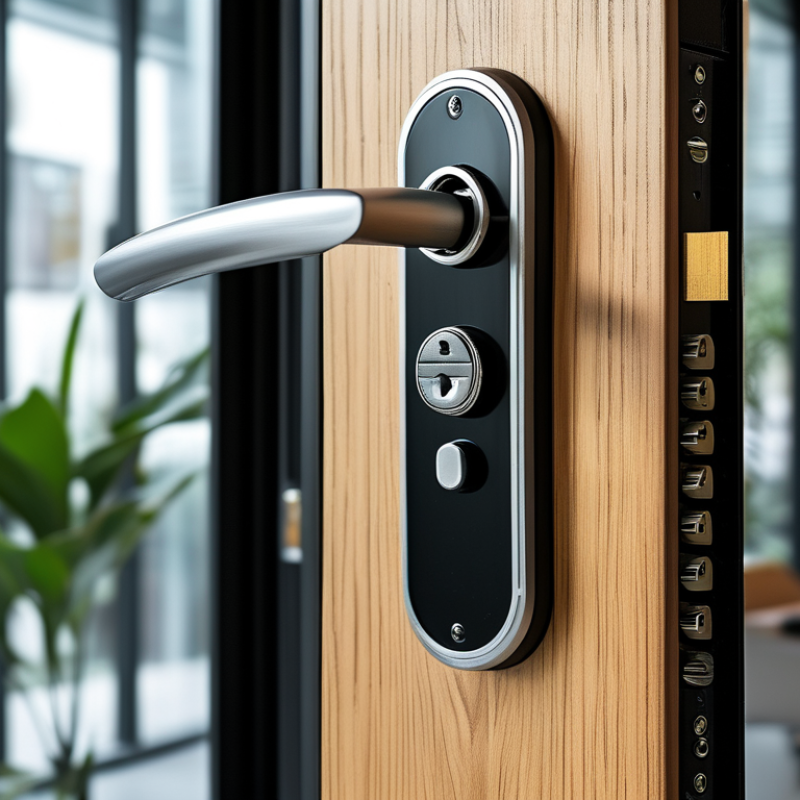
How Electronic Locks Improve Security for Your Business?

Advantages of Electronic Locks Over Traditional Locks

Electronic locks offer a range of advantages that enhance security for businesses. Unlike traditional keys, electronic locks use codes, cards, or biometrics. This eliminates the risk of lost keys. When a key is lost, an entire lock may need to be replaced. With electronic locks, it is easy to reprogram access. This can save time and money, ensuring that security is never compromised.

The versatility of electronic locks is another key advantage. They can be integrated with security systems. This provides real-time monitoring of access points. Alerts can notify business owners of unauthorized attempts. Furthermore, electronic locks can help track employee movements. This data can be useful for evaluating security protocols.

However, the transition to electronic locks is not without challenges. Some employees may resist change. Training is essential to ensure proper use. Reliability is also a concern; technology can fail. Regular maintenance is necessary for optimal performance. Balancing convenience and security requires constant attention.

How Electronic Locks Enhance Access Control in Businesses

Electronic locks are transforming access control in businesses. They provide enhanced security through advanced technology and smart features. Unlike traditional locks, they often utilize keyless entry systems. These systems may include keypad codes, biometric scans, or smartphone applications. Each method increases convenience while reducing risks of unauthorized access.

Implementing electronic locks allows businesses to monitor access in real-time. This visibility is crucial for identifying who enters and exits the premises. Digital logs can reveal patterns, enhancing security decisions. Nevertheless, the reliance on technology raises concerns. Software glitches or power failures could hinder access. Regular maintenance is essential to avoid these vulnerabilities.

While electronic locks offer numerous benefits, they are not foolproof. Cybersecurity threats are ever-evolving, necessitating cautious planning. Businesses should assess their unique needs and choose systems accordingly. Balancing technology with traditional security measures may provide the best defense. As the landscape of security continues to change, staying informed is key.

Integration of Electronic Locks with Security Systems

The integration of electronic locks with security systems significantly enhances your business's overall safety. A report by the Global Security Industry Association indicates that cyberattacks targeting physical security systems increased by 60% over the past few years. This underscores the need for robust electronic locks that can work seamlessly with other security measures.

Electronic locks can be linked to alarm systems, surveillance cameras, and access control points. When a door is breached, real-time alerts are sent to security personnel immediately. This rapid response capability is crucial in preventing potential theft or vandalism. According to recent studies, businesses using integrated electronic locks have reported a 30% reduction in security incidents.

**Tips:** Always ensure that electronic locks are regularly updated. Outdated software can pose significant security risks. Additionally, employee training on the proper use of these systems is vital. Misuse can lead to vulnerabilities. Remember, while technology enhances security, it must be managed wisely. Regular audits of your electronic lock systems can help identify potential issues before they escalate.

How Electronic Locks Improve Security for Your Business? - Integration of Electronic Locks with Security Systems

Feature Description Benefits Integration Capabilities
Access Control Allows only authorized personnel to enter specific areas. Reduces unauthorized access Compatible with keycard systems
Audit Trail Maintains a log of entries and exits. Improves accountability Integrates with monitoring software
Remote Access Provides ability to manage locks remotely. Convenient control for multiple sites Works with mobile applications
Enhanced Durability Designed to withstand physical attacks. Increases overall security Can link to alarm systems
User-Friendly Interfaces Easy to operate for all users. Reduces training time Integrates with visitor management systems

The Role of Mobile Technology in Electronic Lock Security

Mobile technology has revolutionized the way businesses approach security. Electronic locks, integrated with mobile apps, allow for remote access control. According to the Security Industry Association, 70% of access control systems now use mobile technology. This shift enhances efficiency and provides a more flexible security solution.

Many businesses appreciate the ability to generate temporary access codes for visitors or staff working irregular hours. Mobile alerts also notify businesses of unauthorized access attempts. However, challenges exist. Over-reliance on mobile applications can lead to vulnerabilities. A single compromised device may grant intruders access to sensitive areas.

**Tip:** Regularly update mobile apps to safeguard against potential security breaches.

Furthermore, data security remains a pressing concern. Research shows that 43% of cyberattacks target small businesses. Companies must constantly monitor and ensure their systems are secure. Smart locks should also offer a backup key option in case of mobile device failures. This dual approach can prevent unnecessary lockouts and reinforce security.

**Tip:** Implement a comprehensive training program for employees about digital security.

Integrating mobile technology with electronic locks greatly enhances security but requires careful planning and vigilance. Continuous assessment is crucial to address potential weaknesses in the system. Balancing convenience and security should always be a priority for any business.

Impact of Electronic Locks on Business Security

This chart illustrates the key factors contributing to enhanced security in businesses using electronic locks, correlated with the adoption of mobile technology.

Best Practices for Implementing Electronic Locks in Your Business

Implementing electronic locks can significantly enhance the security of any business. A recent survey indicated that 80% of companies reported fewer security breaches after switching to electronic systems. However, adopting these technologies requires careful planning and consideration.

Start by assessing your current security vulnerabilities. Conduct a thorough risk analysis to identify potential threats that electronic locks can mitigate. A study by security experts emphasized that tailored security solutions are essential for effective protection. Ensure that your electronic locks integrate smoothly with existing security measures, such as surveillance systems.

Training your staff is equally important. Many breaches occur due to human error. Research shows that over 60% of security incidents are linked to user mistakes. Provide clear guidelines on using electronic locks and regularly review protocols. Implementing these best practices not only strengthens security but fosters a culture of awareness among employees.

FAQS

: What is the main advantage of electronic locks over traditional locks?

: Electronic locks offer enhanced security by using codes, cards, or biometrics, eliminating the risk of lost keys.

How can businesses reprogram electronic locks easily?

Changing access codes for electronic locks is straightforward, saving time and money compared to replacing physical locks.

What can businesses do with electronic locks for monitoring?

They can integrate electronic locks with security systems for real-time monitoring and alerts of unauthorized access attempts.

Are there any challenges when switching to electronic locks?

Yes, some employees may resist change, and proper training is necessary for the effective use of the systems.

How does mobile technology enhance electronic lock security?

Mobile apps provide remote access control and allow for temporary access codes, enhancing overall security and flexibility.

What is a risk of relying too much on mobile access?

Over-reliance on mobile apps can create vulnerabilities; a compromised device may allow intruders unauthorized access.

How often should businesses update their mobile apps?

Regular updates are crucial to protect against potential security breaches and to maintain system integrity.

Why is data security a concern for electronic locks?

Approximately 43% of cyberattacks target small businesses; constant monitoring is essential to safeguard against these threats.

What should businesses do in case of mobile device failure?

It’s important to ensure that smart locks have a backup key option to avoid unnecessary lockouts.

How important is employee training in electronic lock usage?

Comprehensive training programs are essential to educate employees about digital security and effective system usage.

Conclusion

Electronic locks offer significant advantages over traditional locks, primarily by enhancing security for businesses. They provide superior access control, allowing for precise management of who can enter specific areas, thereby reducing the chances of unauthorized access. By integrating with existing security systems, electronic locks enable real-time monitoring and quick responses to security breaches. Furthermore, the role of mobile technology in electronic lock systems has transformed access management, making it more convenient and secure.

To fully leverage how electronic locks improve security, businesses should adopt best practices during implementation, such as conducting regular audits, ensuring strong user authentication, and providing adequate training for staff. By doing so, companies can create a robust security environment that not only protects physical assets but also instills trust among employees and clients alike.

Sophia

Sophia

Sophia is a dedicated marketing professional with an exceptional depth of knowledge about her company's products and services. With a keen understanding of market trends and customer needs, she crafts insightful blog posts that not only inform but also engage readers, enriching the company’s online......