In an era where security threats are evolving, understanding how to improve building security effectively is crucial. According to a report by the National Institute of Standards and Technology (NIST), physical security breaches lead to billions in losses annually. Moreover, businesses that invest in robust security measures see a 40% reduction in incidents. This data underscores the need for effective strategies in protecting assets and ensuring safety.
Building security has become increasingly vital, especially with the rise of remote work and digital vulnerabilities. Traditional measures often fall short against sophisticated threats. Experts suggest integrating technology with physical security, such as access control systems and surveillance. Yet, despite advancements, many buildings remain vulnerable. A staggering 30% of organizations report having outdated security protocols, highlighting the need for continuous assessment and improvement.
Adopting a comprehensive approach is essential. Engaging security professionals can offer insights into emerging risks and effective countermeasures. However, many organizations resist change, often due to budget constraints or lack of awareness. This reluctance can leave them exposed. In sum, exploring effective building security strategies requires a blend of expertise, vigilance, and adaptability to safeguard our environments.
Strategies for Conducting Comprehensive Security Assessments
Comprehensive security assessments are crucial for enhancing building security. According to a 2022 report from the Security Industry Association, over 50% of organizations reported security breaches due to inadequate assessments. Regular evaluations help identify vulnerabilities and recommend improvements.
Using a systematic approach is vital. Start by examining access points, surveillance systems, and alarm responses. Engaging third-party security experts brings a fresh perspective. They often spot flaws that internal teams may overlook. For example, 70% of breaches occur during non-business hours. This highlights the importance of 24/7 monitoring and patrolling.
Observation skills matter. Regular walkthroughs can uncover unnoticed risks, like poorly lit areas prompting safety concerns. Data shows that well-lit spaces reduce crime rates by up to 20%. Yet, many facilities neglect simple solutions. Reflecting on current practices can reveal areas needing attention. It's crucial to adapt and improve continuously.
Integrating Technology: Surveillance and Access Control Systems
In today’s rapidly evolving landscape, integrating technology is crucial for enhancing building security.
Surveillance systems are a cornerstone of modern safety strategies. According to a report by MarketsandMarkets, the global video surveillance market is expected to grow almost 10% annually until 2025. This growth highlights how essential cameras and monitoring solutions are for real-time threat detection.
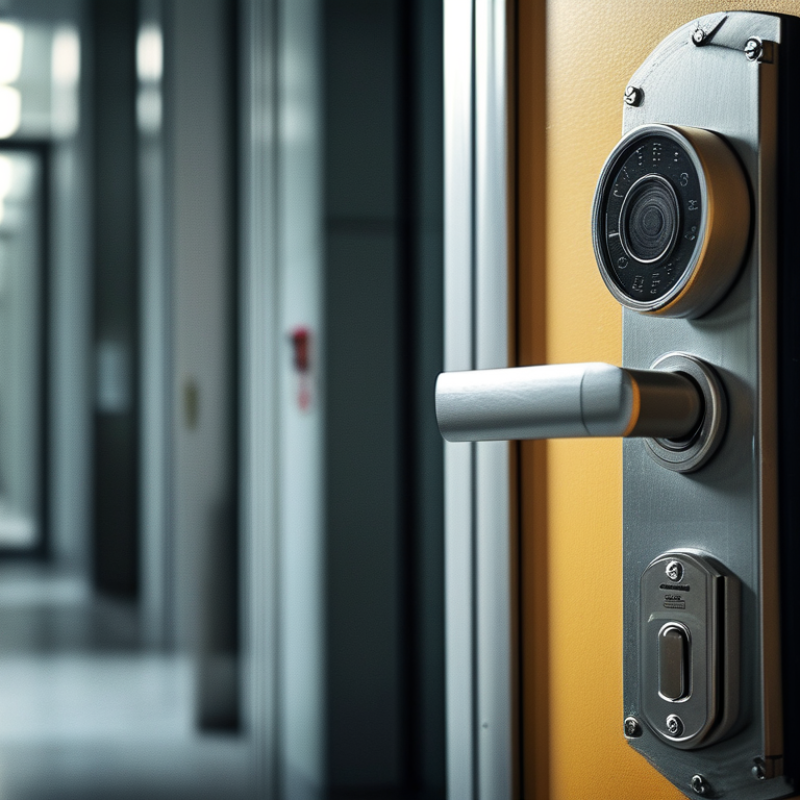
Access control systems play a pivotal role as well.
A recent study found that organizations investing in advanced access control measures experienced a 30% reduction in unauthorized entry incidents. Biometric systems, such as fingerprints or facial recognition, provide a high level of security. However, implementing these technologies can be challenging. The initial costs can be a barrier for some facilities.
Despite the clear advantages, there are areas for improvement. Many systems still rely on outdated software, making them vulnerable to cyber threats. Regular updates and training are often overlooked. This oversight emphasizes the need for continuous evaluation of security measures. Integrating technology is not just about installation; it's about creating a proactive security culture.
Training Staff: Importance of Security Awareness Programs
Staff training is a critical element in enhancing building security. According to a recent report by the Security Awareness Coalition, up to 85% of security breaches result from human error. This staggering statistic highlights the necessity for organizations to prioritize security awareness programs. Teaching employees about potential threats strengthens the entire security framework.
Regular training sessions foster a culture of vigilance. Employees learn to identify unusual behavior, recognize phishing attempts, and respond to emergency situations. It’s crucial that every staff member understands their role in maintaining security. Comprehensive programs can significantly reduce instances of unauthorized access and data breaches in the workplace.
Tip: Conduct quarterly drills to keep security protocols fresh in everyone's mind. This practice enhances responsiveness during real incidents.
Tip: Utilize interactive training modules that engage employees. Gamifying the learning experience makes staff more likely to remember critical information.
Investing in staff training is not merely about compliance; it’s about creating a resilient environment. Many organizations still neglect this area, leaving themselves vulnerable. Addressing the gaps in employee knowledge can profoundly impact overall safety.
Physical Security Measures: Barriers and Reinforcements
Enhancing building security involves implementing effective physical measures. Barriers and reinforcements play a crucial role in protecting assets and occupants. Strong fencing can deter unauthorized access. A high-quality gate can provide an additional layer of security. An attractive but resilient barrier is a smart choice.
Reinforcements, like security film on windows, can thwart break-ins. Installing deadbolts on doors adds further protection. Motion-activated lights improve visibility around premises. They can startle intruders and alert residents. Consider using landscaping strategically. Thorny bushes can act as natural deterrents.
Yet, physical measures must be balanced with thoughtful planning. Overly aggressive barriers can create a fortress-like atmosphere. This could lead to feelings of isolation or fear among occupants. Regular evaluations of security measures are vital. They help identify areas of improvement and adaptation. A security solution should evolve with changing threats. Building security is not just about deterrence; it’s also about creating a welcoming environment.
Regular Maintenance and Upgrades: Ensuring System Reliability
Regular maintenance and upgrades are critical for building security. A well-maintained security system can deter potential threats. It is essential to schedule regular inspections to identify any weaknesses. Minor issues, when ignored, can lead to significant vulnerabilities. For instance, outdated software may not provide adequate protection. Regular updates can close security gaps and improve system performance.
In addition to software updates, hardware must be checked routinely. Cameras, alarms, and access control systems need to function optimally. Broken equipment can create serious risks. It is important to document issues as they arise. This information can guide future upgrades and repairs. Regular training for security personnel is equally vital. They should understand how to use the latest technology effectively.
Finding time for these tasks can be challenging. Delays can lead to missed security opportunities. A proactive approach not only protects assets but also instills confidence in occupants. Security is an ongoing process, not a one-time fix. Continuous improvement is necessary for a safe environment. Each upgrade should be evaluated for effectiveness, helping to refine strategies.
FAQS
: Integrating technology enhances building security by enabling real-time threat detection through advanced surveillance systems.
Advanced access control systems can reduce unauthorized entry incidents by 30%, making them very effective for security.
The initial costs of biometric systems can be a barrier for some facilities looking to enhance their security.
Many systems use outdated software, making them vulnerable to cyber threats and other risks.
Up to 85% of security breaches stem from human error, making security awareness training crucial for all employees.
Conducting quarterly drills keeps protocols fresh in staff minds and enhances their responsiveness during real incidents.
Using interactive training modules can engage employees and help them retain critical security information.
Strong fencing and high-quality gates deter unauthorized access and provide extra layers of protection.
Overly aggressive barriers can create a fortress-like feeling, which may lead to isolation among occupants.
Regular evaluations help identify areas for improvement, ensuring that security solutions evolve with changing threats.
Conclusion
To improve building security effectively, a multifaceted approach is essential. First, conducting comprehensive security assessments can help identify vulnerabilities and potential threats. Integrating advanced technology, such as surveillance and access control systems, further enhances security by providing real-time monitoring and controlled access to sensitive areas. Training staff through security awareness programs is crucial, as it equips them with the knowledge to recognize and respond to potential security issues.
Additionally, implementing physical security measures—like barriers and reinforcements—can deter unauthorized access. Regular maintenance and upgrades of security systems ensure their reliability and effectiveness over time, making it a continuous process. By adopting these strategies, organizations can create a safer environment for occupants and assets, ultimately leading to improved building security.
 Tahiti Lock
