In recent years, smart locks have gained popularity as a modern solution for securing homes. Many homeowners wonder, "what is the difference between smart and traditional locks?" According to security expert Dr. Emily Stevens, "Smart locks offer unparalleled convenience and security features that traditional locks can't match." This highlights the shift towards advanced locking systems.
Traditional locks rely on physical keys. They can be easily picked or bumped. Smart locks, however, use technology to provide more robust access control. They can include features like keyless entry, remote access, and activity logs. This shift reflects evolving security needs in our tech-savvy world.
While smart locks offer many benefits, they also raise concerns. Issues like battery life and vulnerability to hacking must be addressed. As Dr. Stevens points out, "Understanding the trade-offs between smart and traditional locks is crucial for making informed decisions." Balancing convenience with security will help homeowners choose the best locking solution.
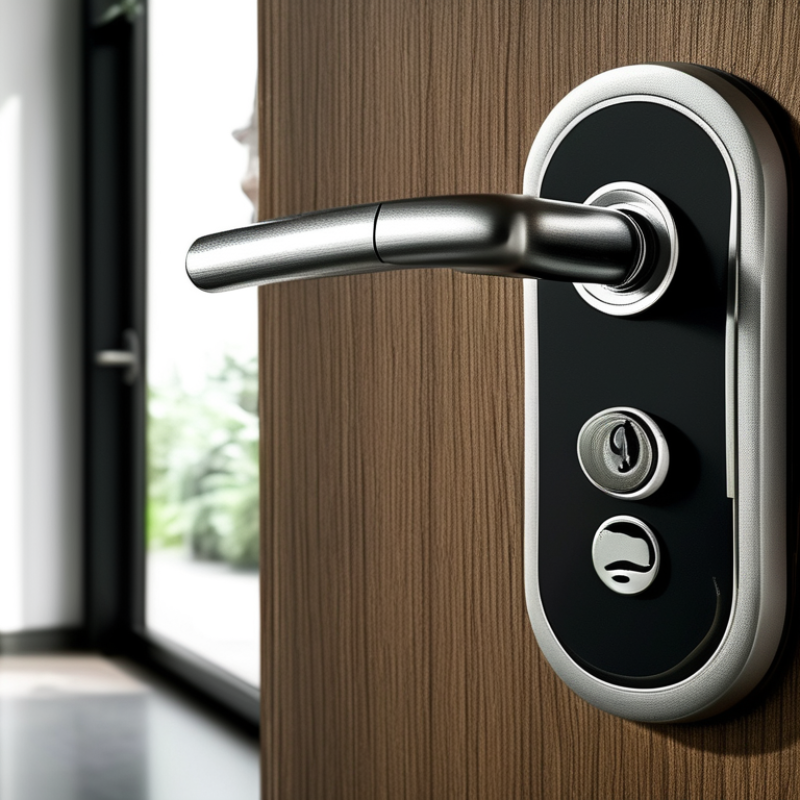
Smart locks represent a modern shift in home security. Unlike traditional locks, they utilize advanced technology to provide enhanced security features. Smart locks connect to your home network, allowing you to control access remotely. This means you can lock or unlock your door from anywhere using your smartphone. It’s a game changer for those who often forget to lock up.
These locks come with various functionalities. Many feature keyless entry, which eliminates the need for physical keys. You can create temporary access codes for guests or service providers. This functionality not only adds convenience but also reduces the risks associated with losing keys. However, it’s important to acknowledge that smart locks rely on technology, which can sometimes fail. Power outages or connectivity issues may leave you locked out, and that can be frustrating.
Another aspect to consider is the security of personal data. Smart locks often collect information about access patterns. While this data can be beneficial, it raises privacy concerns. Companies must ensure they protect user data from cyber threats. Homeowners should remain vigilant about software updates and device security. Balancing convenience with potential vulnerabilities is crucial as we embrace this new era of security.
Smart locks offer several advantages compared to traditional locks. Security is a primary factor. According to a report by the Security Industry Association, smart locks can reduce unauthorized access by up to 30%. The ability to control access remotely adds another layer of safety. Users can monitor entries and exits in real-time. This feature is especially valuable for families or rental properties.
Ease of use is another significant advantage. Smart locks often come with keyless entry options, such as biometrics or mobile apps. This convenience eliminates the hassle of carrying keys. Additionally, many smart locks allow for temporary access codes. Guests can enter without needing a physical key. This method is cumbersome for traditional locks, which require manual key exchange.
**Tip:** Consider the battery life of smart locks. Regular maintenance is vital to avoid lock failures. Be sure to check performance consistently. Sometimes, connectivity issues might arise, so having backup access methods is wise. In the end, while smart locks provide impressive benefits, understanding their limitations is essential.
Smart locks offer several advantages over traditional locks, making them a preferred choice for modern security solutions. The following chart illustrates the key advantages of smart locks compared to traditional locks based on various dimensions.
Smart locks have revolutionized how we think about security. Traditional locks can be vulnerable to picking or bumping. In contrast, smart locks use advanced technology to enhance security. They often come with features like biometric scanners and encryption, which add layers of protection. Imagine using your fingerprint to unlock your door instead of fumbling with keys.
Many smart locks offer remote monitoring too. You can check if your door is locked from anywhere. This capability provides peace of mind, especially when you are away from home. Some smart locks send alerts when someone tries to access your property. This feature can deter intruders before they even get close. However, it’s essential to keep the software updated to prevent any potential hacking risks.
Despite these benefits, smart locks aren't perfect. They can malfunction due to battery failure or connectivity issues. Users should be aware of these limitations and always have a backup access method, such as a physical key. Relying solely on technology can lead to vulnerability if not managed correctly. Therefore, consider your lifestyle and security needs before making the switch.
Smart locks are revolutionizing home security by offering unparalleled convenience and accessibility. In recent years, reports show that more than 70% of homeowners prefer smart locks for their ease of use. These devices allow users to manage access remotely, ensuring peace of mind. With a simple tap on a smartphone, you can unlock your door from anywhere, eliminating the need for traditional keys.
Studies indicate that smart locks can reduce entry times by nearly 50%. This efficiency is a game changer for busy families or individuals. Imagine arriving home, arms full of groceries, and simply unlocking the door with your phone. Additionally, features like temporary access codes allow guests to enter without needing physical keys. This results in a streamlined experience that's hard to replicate with traditional locks.
However, these advancements aren't without their concerns. Vulnerabilities in technology can pose risks. Users must consider potential issues such as battery life and connectivity problems. Regular updates to software are essential for maintaining security. Although smart locks provide many benefits, users should be aware and actively participate in securing their homes effectively.
| Feature | Smart Locks | Traditional Locks |
|---|---|---|
| Keyless Entry | Yes | No |
| Remote Access | Yes | No |
| Integration with Smart Home Devices | Yes | Limited |
| Audit Trail | Yes | No |
| User Management | Multiple users | Single key |
| Battery Backup | Yes | No |
Smart locks offer many benefits, but they also come with potential drawbacks. One major concern is vulnerability to hacking. Unlike traditional locks, smart locks rely on Wi-Fi or Bluetooth connections. Cybercriminals can exploit these systems if proper security measures are not in place. Users must regularly update their passwords and ensure strong encryption.
Battery life is another issue. Smart locks typically run on batteries, which require periodic replacement. If the battery dies, access can be lost. This creates a dilemma for homeowners. They must find a balance between convenience and maintenance. Some smart locks provide alerts about battery life, but not all do.
Compatibility with existing home systems can also be tricky. Not every smart lock works seamlessly with other smart devices. Users might need to invest in additional hubs or systems, increasing overall costs. While smart locks can enhance security, they require careful consideration and proactive management.
: Smart locks can reduce unauthorized access by up to 30%. They allow remote monitoring of entries and exits.
Smart locks offer keyless entry options. Users can unlock doors via mobile apps or biometrics.
Yes, smart locks can reduce entry times by nearly 50%. This is convenient for busy individuals or families.
Users should regularly check battery life and performance. Regular software updates are also important for security.
Yes, smart locks can be vulnerable to hacking. Proper security measures like strong encryption are necessary.
If the battery dies, access can be lost. Homeowners should ensure they check battery life regularly.
Not all smart locks are compatible with existing systems. Additional hubs might be needed, increasing costs.
Yes, temporary access codes allow guests to enter without the need for physical keys.
Consider having backup access methods in case of connectivity problems. It’s wise to stay prepared.
Users might need to invest in additional devices or upgrades for compatibility, which can increase overall expenses.
Smart locks represent a significant evolution in home security, offering a modern alternative to traditional locking mechanisms. The main difference between smart and traditional locks lies in their functionality; smart locks are interconnected devices that can be controlled remotely via smartphones or other smart devices. This adds a level of convenience and accessibility not found in conventional locks, allowing users to grant access to guests digitally and monitor entry points in real-time.
One of the key advantages of smart locks is their enhanced security features, which often include encrypted connections and the ability to set temporary access codes. However, potential drawbacks exist, as smart locks can be vulnerable to hacking and may require reliable Wi-Fi connections to function optimally. Overall, understanding these differences can help users make informed decisions when choosing between smart locks and traditional locking systems for their security needs.

Tahiti Lock