 Tahiti Lock
Smart System Showcase & Core Assemblies
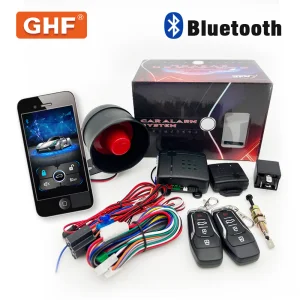
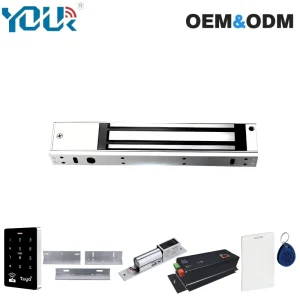
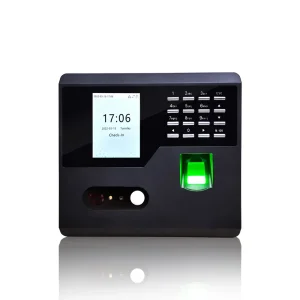
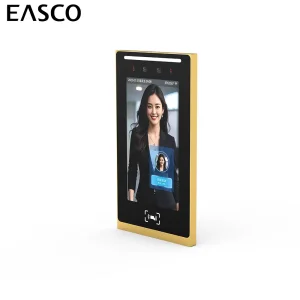
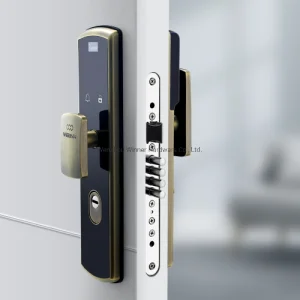
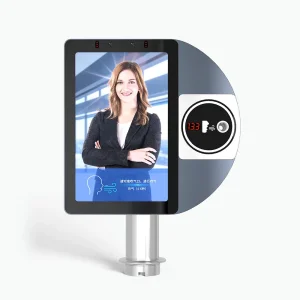
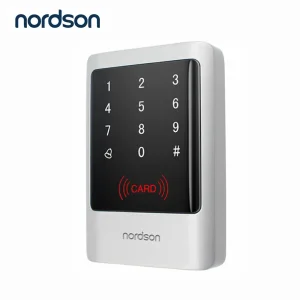
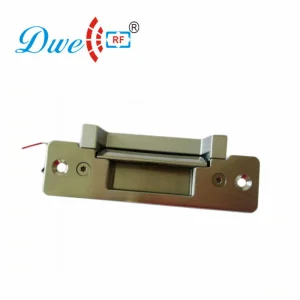
Explore our primary array of integrated electronic strike units, magnetic locking systems, and smart biometric recognition control hubs.

Dongguan Tahiti Lock Co., Ltd.
Dongguan Tahiti Lock Co., Ltd. is a professional manufacturer specializing in smart access control systems and electric locks, providing integrated commercial security solutions for global customers. With a strong focus on innovation, reliability, and safety, the company is committed to developing advanced locking technologies that meet the evolving needs of modern buildings, enterprises, and industrial facilities.
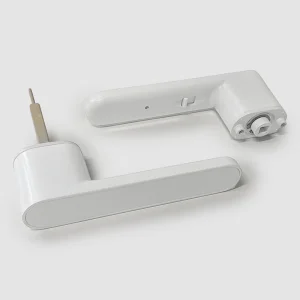
Our product portfolio covers a wide range of smart security solutions, including access control systems, electric strike locks, magnetic locks, biometric locks, and intelligent door locking systems. These products are widely used in offices, residential complexes, hotels, hospitals, warehouses, and commercial buildings, ensuring secure, convenient, and efficient access management.
Backed by a skilled R&D team and advanced manufacturing capabilities, Dongguan Tahiti Lock Co., Ltd. continuously improves product performance and durability while maintaining strict quality control standards. The company adheres to international certifications and testing requirements, ensuring that each product delivers stable operation and long service life. In addition, we provide OEM and ODM services to support brand customization and project-specific requirements.
- Strict Quality Assurance conforming to ISO 9001:2015.
- Advanced R&D team specialized in hardware and software design.
- Tailored OEM and ODM integration options.
- Robust global logistical support and compliance management.

Strategic Insights: Global Digital Locking Systems & Supply Chain Excellence
Physical security technology is undergoing a structural paradigm shift. The integration of IoT, biometric processing, and mobile applications is moving access management from isolated mechanical systems to unified cloud environments. This whitepaper analyzes the capabilities, market dynamics, and technological standards that enable Dongguan Tahiti Lock Co., Ltd. to support enterprise security worldwide.
★1. China's Digital Door Lock Manufacturing & Supply Chain Advantages
Southern China, particularly the Dongguan and Shenzhen industrial corridors, houses the world's most dense ecosystem for smart hardware manufacturing. The competitive advantages of this base extend beyond basic labor costs to focus on integration speed, supply chain density, and technical expertise.
- Component Ecosystem: From precision metal injection molding (MIM) and zinc alloy die-casting to specialized surface treatment, every part of the mechanical stack is sourced within a 50-kilometer radius. This layout minimizes transit delays and enables rapid prototyping for customized OEM/ODM projects.
- Electronics Integration: The proximity to Shenzhen's semiconductor distribution network allows us to quickly integrate biometric sensors, low-power microcontrollers (MCUs), and wireless chipsets (supporting Bluetooth, Zigbee, Wi-Fi, and NFC).
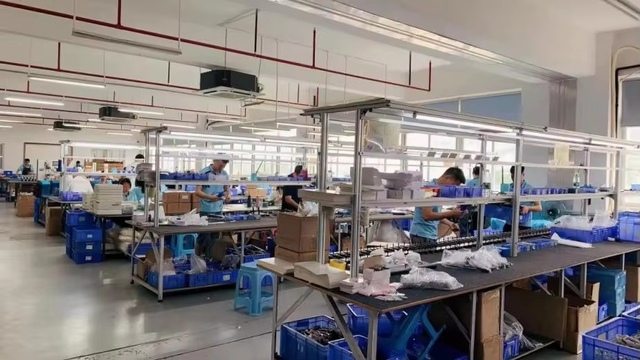
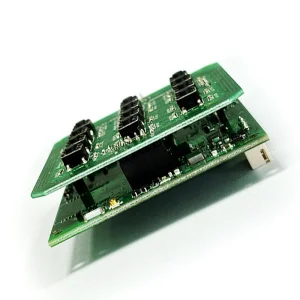
- Production Scalability: Our factories use automated surface mount technology (SMT) for circuit board production, alongside semi-automated assembly lines that scale up quickly to fulfill large-volume developer orders without compromising tolerances.
⚿2. Emerging Trends in Global Access Control
Modern access control system design is driven by two main demands: improved user experience and robust enterprise security.
- Multi-modal Biometric Verification: Traditional RFID card systems are transitioning to multi-modal biometric hubs. The integration of face recognition, fingerprint scanning, and iris detection prevents credential sharing and ensures trace security audits.
- Mobile-First Access Control: Bluetooth Low Energy (BLE) and Near Field Communication (NFC) allow mobile devices to function as secure, revokable access tokens, reducing administrative overhead associated with lost physical cards.
- Interoperable IoT Ecosystems: Modern installations require access controllers to communicate with HVAC, lighting, fire safety, and surveillance systems via open APIs and protocols such as Wiegand, OSDP (Open Supervised Device Protocol), and MQTT.
🏢3. Localized Application Scenarios & Macro Solutions
Commercial Offices
Multi-tenant commercial buildings require role-based access management. Our facial recognition and RFID terminals integrate directly with turnstiles and elevator controls to streamline visitor management and audit tracking.
Industrial Zones
Warehouses and production centers require heavy-duty electromagnetic locks and environmental protection. Heavy-duty magnetic locks with IP65-rated metal keypads secure perimeters against weather and physical impacts.
Specialized Fleets
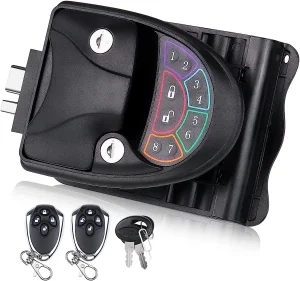
Recreational vehicles, cargo trucks, and transit networks require robust locking hardware that tolerates high vibration. Our zinc-alloy keyless entry locks provide secure latching for mobile applications.
✓4. Key Criteria for Global Procurement Managers
When selecting an OEM/ODM partner for hardware manufacturing, procurement professionals evaluate the following technical and operational metrics:
- Structural Certifications: Compliance with international performance standards, such as EN14846, UL10C (fire rating), CE, FCC, and RoHS, is necessary to meet import regulations and local building codes.
- Mechanical Cycle Ratings: Heavy commercial installations require mortise latches and solenoids designed and tested for over 500,000 duty cycles without mechanical failure.
- Firmware Customization: Procurement teams look for vendors that provide customized firmware to enable specific door-open delays, encryption protocols, and compatibility with proprietary legacy systems.
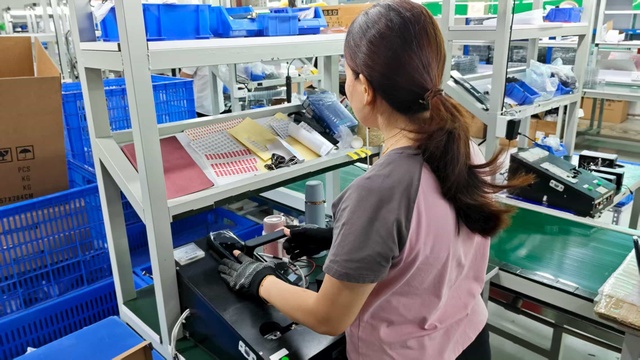
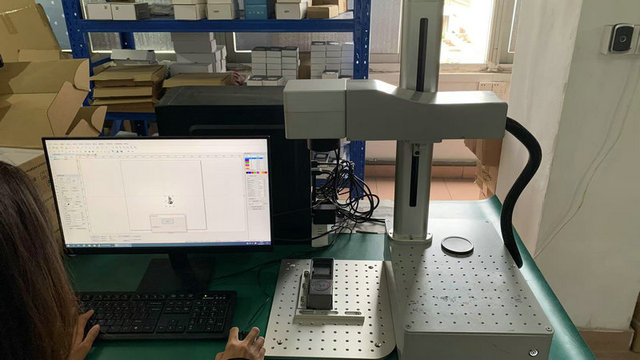
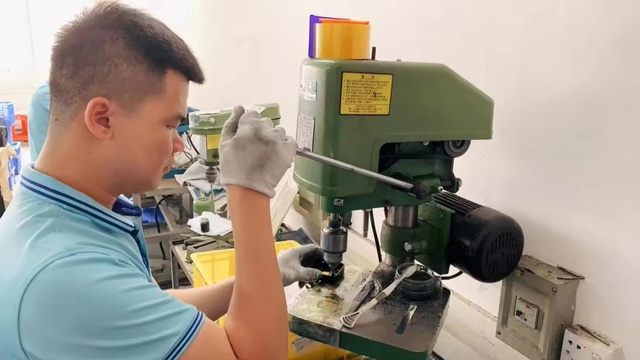
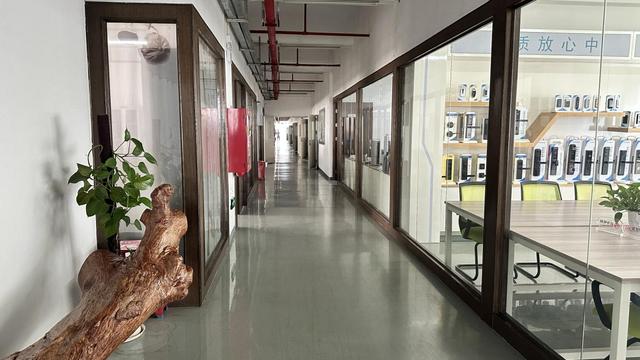
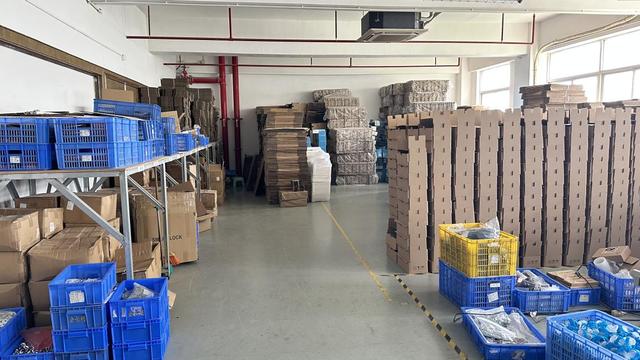
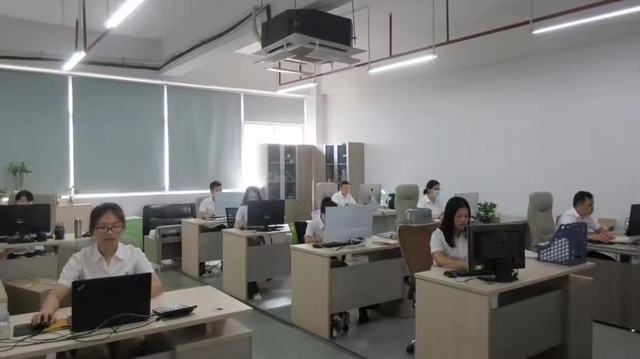
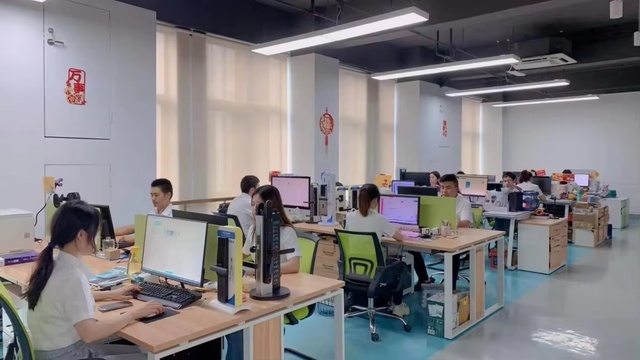
Production Facility & Hardware Standards
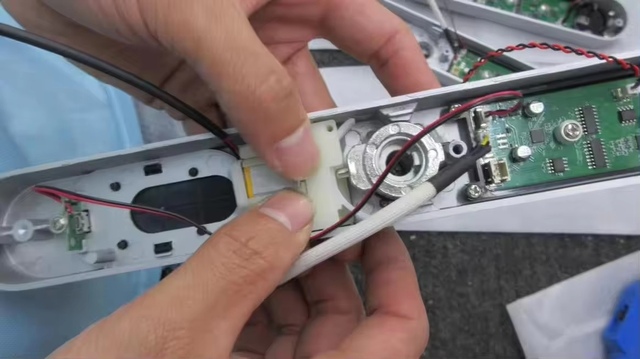
Direct view into Dongguan Tahiti Lock Co., Ltd.’s manufacturing lines, machinery, and testing parameters.
Industrial Locking & Architectural Hardware
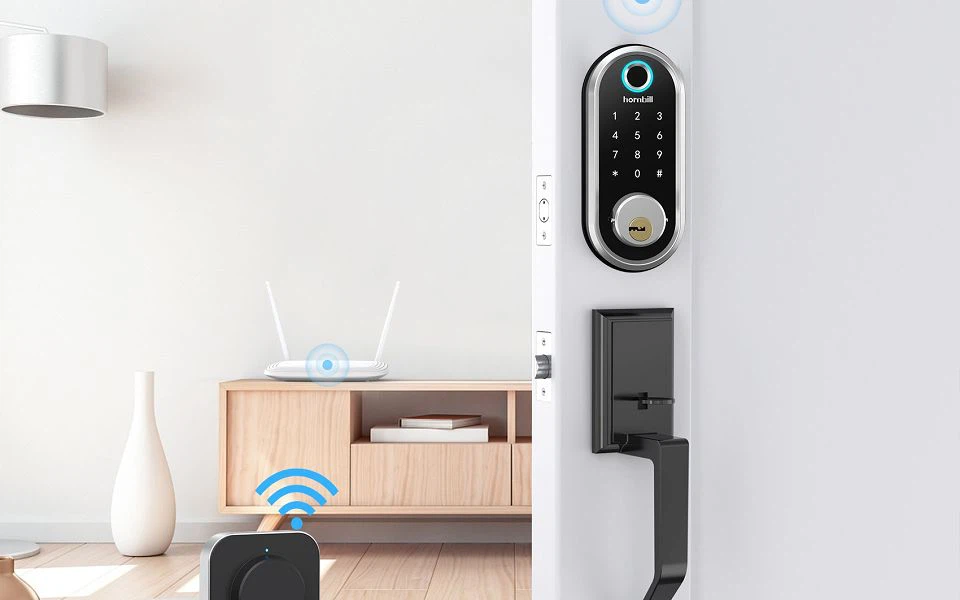
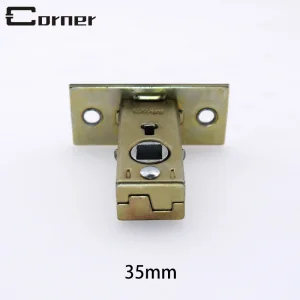
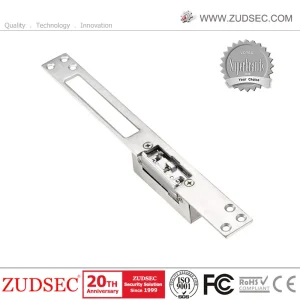
Explore our secondary array of automatic mortise mechanisms, industrial strikes, and specialty locks.
Frequently Asked Questions
Technical parameters, integration guidelines, and OEM/ODM processes answered by our engineering department.