Tahiti Lock
Featured Smart Security & Smart Locking Systems
Explore our CE-certified access control mechanisms, commercial biometrics, and heavy-duty smart lock solutions optimized for enterprise security.
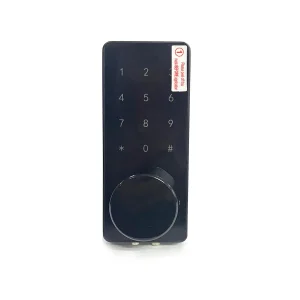
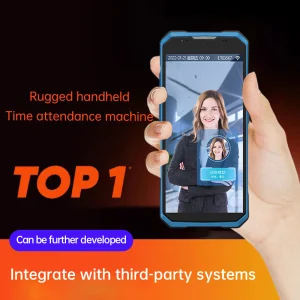
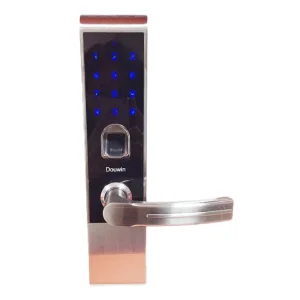
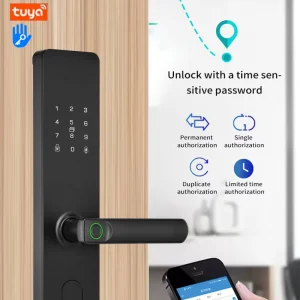
The Strategic Imperative of CE-Certified Security Alarm Systems
Why regulatory alignment and hardware standards define the next generation of risk-mitigating building infrastructures.
Within global commercial security, the integration of CE-certified security alarm systems and electronic hardware is not merely a compliance check—it represents the cornerstone of operational resilience and asset protection. The CE Mark indicates that products have been rigorously evaluated to meet EU safety, health, and environmental protection requirements. For importers, systems integrators, and project engineers in regions such as Europe, the Middle East, and North America, sourcing CE-compliant locks, biometrics, and alarm sensors is a legal requirement and an indicator of high manufacturing standards.
At Dongguan Tahiti Lock Co., Ltd., our technological engineering aligns with these exacting European safety standards (EN 50131 for alarm systems, EN 14846 for electromechanical locks). By ensuring low-voltage safety (LVD) and electromagnetic compatibility (EMC), our products prevent signal interference and false triggers within larger security networks, yielding an ultra-reliable security baseline.

Corporate Leadership: Dongguan Tahiti Lock Co., Ltd.
Engineering institutional-grade access control, biometric networks, and precision electromagnetic security systems.
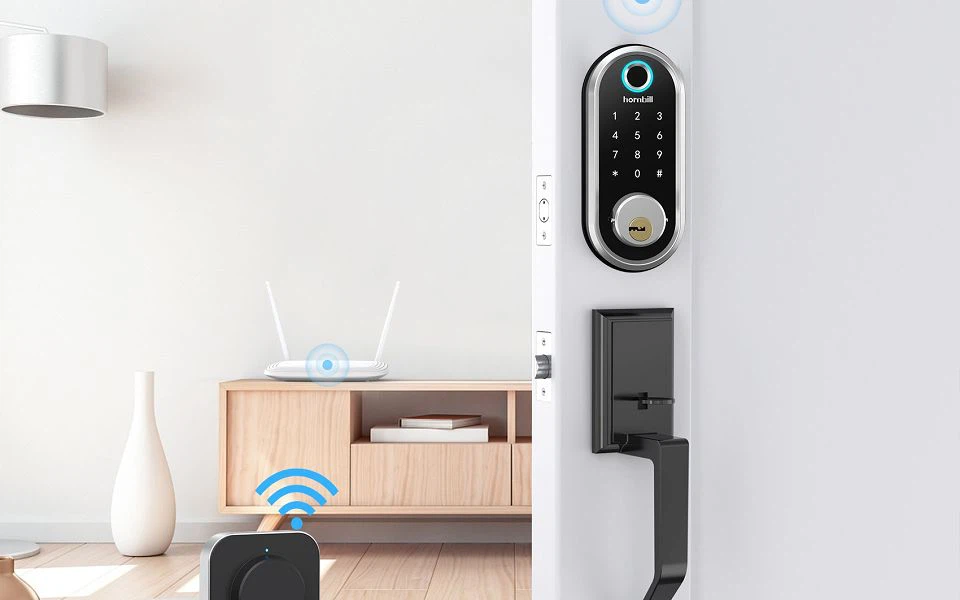
Dongguan Tahiti Lock Co., Ltd. is a professional manufacturer specializing in smart access control systems and electric locks, providing integrated commercial security solutions for global customers. With a strong focus on innovation, reliability, and safety, the company is committed to developing advanced locking technologies that meet the evolving needs of modern buildings, enterprises, and industrial facilities.
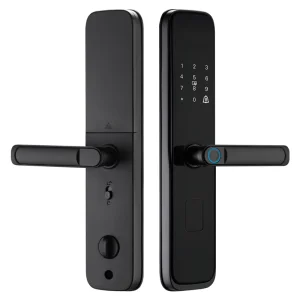
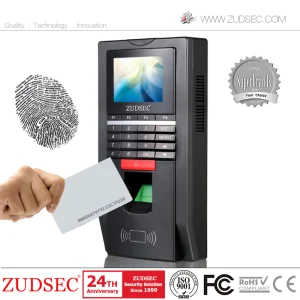
Our product portfolio covers a wide range of smart security solutions, including access control systems, electric strike locks, magnetic locks, biometric locks, and intelligent door locking systems. These products are widely used in offices, residential complexes, hotels, hospitals, warehouses, and commercial buildings, ensuring secure, convenient, and efficient access management.
Backed by a skilled R&D team and advanced manufacturing capabilities, Dongguan Tahiti Lock Co., Ltd. continuously improves product performance and durability while maintaining strict quality control standards. The company adheres to international certifications and testing requirements, ensuring that each product delivers stable operation and long service life.
In addition, we provide OEM and ODM services to support brand customization and project-specific requirements. With a customer-centric approach and global service network, Dongguan Tahiti Lock Co., Ltd. aims to be a trusted partner in delivering high-quality smart security solutions worldwide. We work hand-in-hand with systems engineers and security consultants to configure customized access frameworks that mitigate vulnerability profiles and defend facilities against modern physical and digital intrusion vectors.
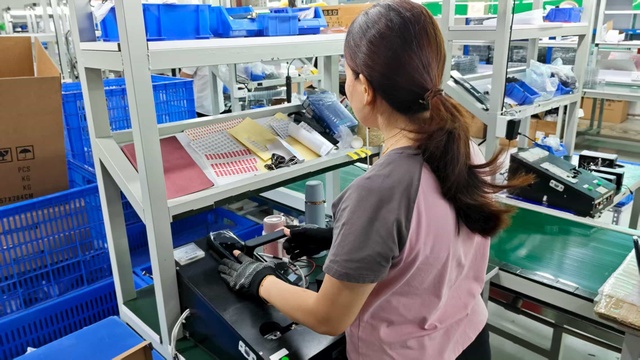
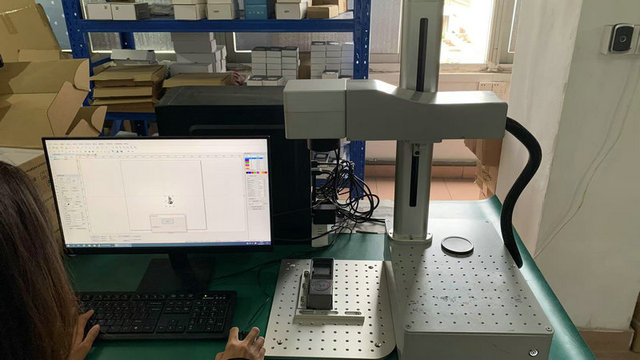
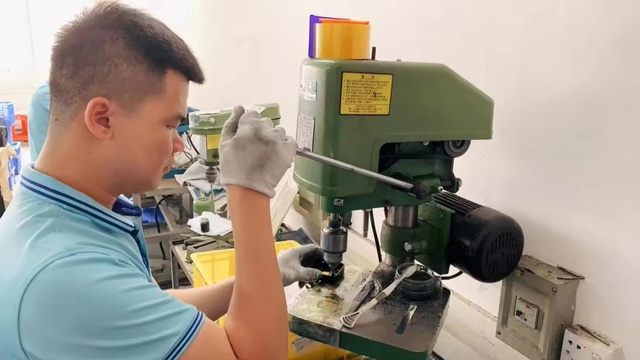
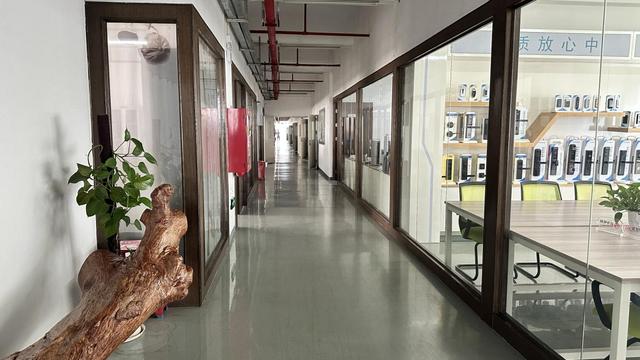
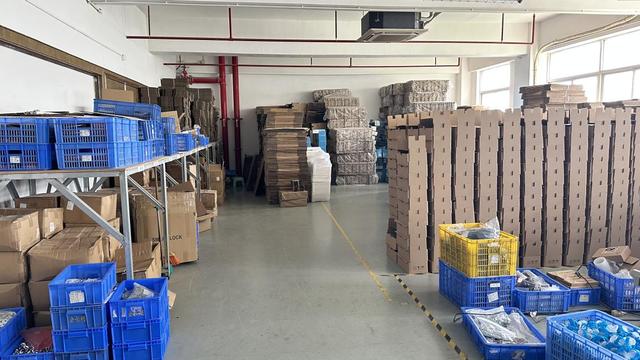

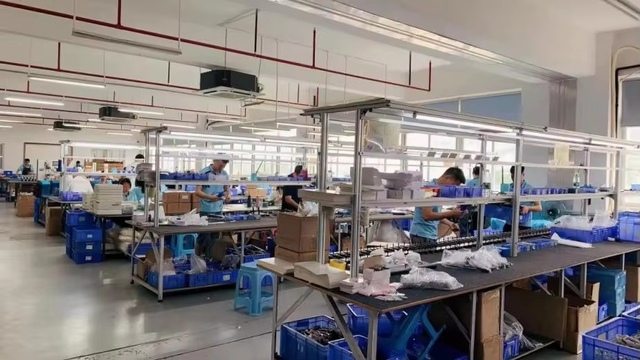

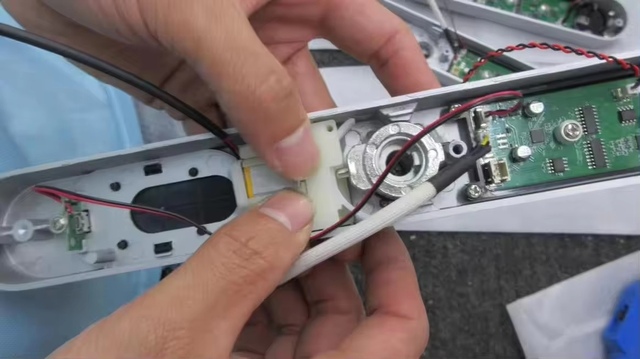
The Structural Advantages of Chinese Factories in Smart Security
Why Chinese manufacturing hubs lead the world in IoT convergence, high-volume consistency, and rapid hardware-software iteration.
End-to-End Vertical Integration
Our facilities in Dongguan utilize an integrated supply chain. From alloy casting (such as high-durability Zamak zinc configurations) and surface electroplating to PCB mounting and embedded firmware flashing, all processes are controlled in-house. This significantly reduces lead times and prevents external sourcing vulnerabilities.
IoT Ecosystem Collaboration
China is the global center of gravity for IoT. Partnering with major platforms like Tuya Smart and TTLock allows us to directly embed secure, encrypted WiFi and BLE communications inside our physical hardware. Our access terminals integrate with automation platforms and remote security suites.
Rigorous Stress-Testing Protocols
To meet demanding export requirements, we subject products to heavy-duty test regimes. This includes 500,000-cycle life-cycle tests on lock actuators, salt spray chamber testing for corrosion mitigation, and operational thermal stress tests spanning from -25°C to 70°C for outdoor components.
Navigating Procurement Challenges in Commercial Security
Resolving typical friction points in technical specifications, legacy integration, and regional compliance.
| Procurement Challenge | Technical Impact | Tahiti Lock Engineering Solution |
|---|---|---|
| Legacy System Incompatibilities | New hardware fails to interface with pre-installed controllers using legacy Wiegand or RS485 protocols. | Multi-protocol controllers (supporting Wiegand 26/34, TCP/IP, and WiFi) designed to overlay on existing building management setups. |
| Harsh Climate Hardware Failure | Outdoor gate locks and RFID keypads suffer circuit corrosion and actuator sticking in humid or sub-zero environments. | IP67 and IP65 dust-proof and waterproof ratings utilizing full silicone encapsulation and high-strength marine-grade alloys. |
| Inconsistent Certification | Customs delays and installation site rejections due to lack of local building code compliance and CE markings. | Certified LVD and EMC testing reports provided with every batch, ensuring compliance with international installation requirements. |
| Scalability & Customization (OEM) | Standard products fail to meet specific door thicknesses, unique branding, or specialized firmware functions. | Dedicated ODM engineering path, custom mortise development, bespoke color anodizing, and custom API/SDK software support. |
Macro-Level Security Frameworks & Localized Applications
How systems engineers combine modular access control units into comprehensive, fail-secure building protection architectures.
1. Commercial Enterprise & High-Traffic Office Blocks
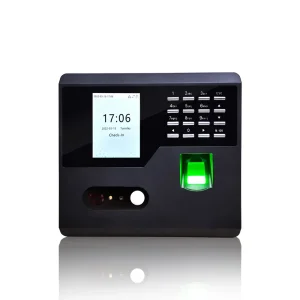
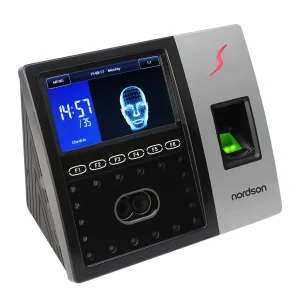
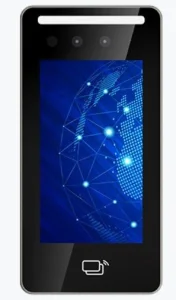
For modern, multi-tenant corporate offices, access control must balance rapid transit with strict clearance zones. The integration of TCP/IP network access systems with real-time biometric time-attendance interfaces (such as our auto-focus facial recognition devices) allows HR platforms to capture shift data while ensuring unauthorized individuals cannot access sensitive areas (e.g., server rooms).
2. Multi-Unit Residential & Smart Rentals
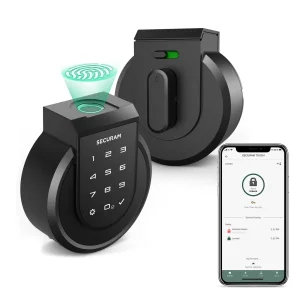
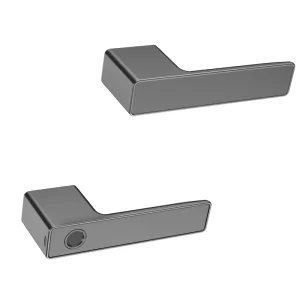
Property managers and smart apartment developers rely on Tuya and TTLock protocols. Standardizing on automatic smart locks with backup numeric keypads and RFID cards reduces mechanical key handling costs. Landlords can issue temporary PINs or mobile-app bluetooth keys for maintenance crews, which automatically expire to prevent security breaches.
3. Heavy-Duty Industrial & Fire Safety Zones
Industrial applications mandate heavy-duty materials capable of resisting physical attacks and thermal stresses. Deploying fireproof-grade fingerprint locks on containment doors ensures physical security during normal operation, while fail-safe lock mechanisms (like our CE-compliant magnetic and electric strike locks) integrate with localized building alarm panels to automatically release and allow evacuation during fire events.
4. Leisure Facilities & Gym Membership Management
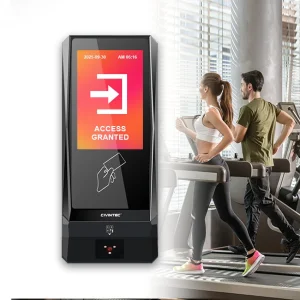
Recreational centers, automated 24/7 fitness complexes, and private clubs require rugged, weather-resistant validation hubs. Using Bluetooth and NFC card readers (such as the IP65 CT9 wireless terminals) allows seamless integration with member booking apps. Members scan their smartphone wallet pass or RFID wristband to open electronic turnstiles, eliminating the need for front-desk staff.
Emerging Trends in Global Access Security
The technological forces shaping the future of physical and digital security infrastructure.
Multi-Modal Biometrics at the Edge
Modern access systems process credential verification locally rather than routing requests to remote cloud instances. By pairing high-definition cameras with local neural processing units (NPUs), dual-sensor facial recognition systems can authenticate users in under 0.3 seconds while preventing spoofing attempts using print or digital photos.
Unified Mobile Wallets (NFC/BLE)
Traditional RFID cards are being replaced by digital credentials stored inside smartphone wallets. Our newest systems support NFC keys and BLE proximity unlocks. This provides end-users with a frictionless entrance flow and protects access logs with hardware-level encryption inside modern mobile devices.
Zero-Trust Network Access (ZTNA)
With the rise of network-connected door locks and Wiegand-over-IP converters, physical security is aligning with IT security. Edge devices now implement secure cryptographic chips that sign every communication. This prevents attackers from tapping into physical lines to transmit spoofed unlock commands to electronic doors.
Technical FAQ & Specification Insights
Providing clear answers to core queries from architects, project planners, and sourcing teams.
Expanded Biometric & Electronic Access Hardware
Heavy-duty network interfaces, outdoor security keypads, and specialized locks for complex environments.