 Tahiti Lock
Featured Access Solutions for the São Paulo Infrastructure
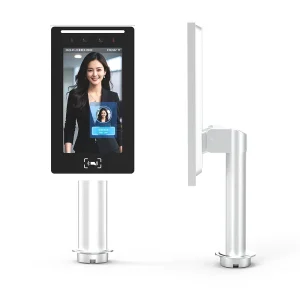
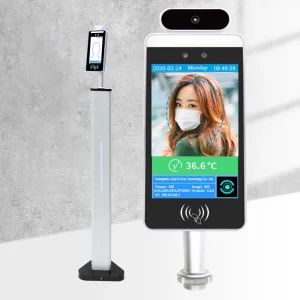
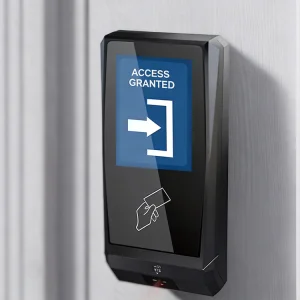
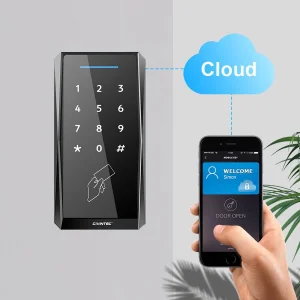
Engineered to handle high-frequency traffic across Paulista, Faria Lima, and major metropolitan logistics centers.
Security Landscape of São Paulo Metro Area
Analyzing corporate densification, industrial shifts, and the critical need for advanced physical security in South America's financial powerhouse.
São Paulo represents the economic engine of Latin America, hosting thousands of multinational corporate headquarters, critical banking institutions along Avenida Paulista and Faria Lima, and extensive logistics networks extending to the Port of Santos and Guarulhos Airport (GRU). However, the sheer density of population and commerce presents unparalleled physical security challenges. Modern enterprises operating within this metropolis can no longer rely on legacy, easily cloned 125kHz security cards. The modern landscape demands highly secure, modern digital credentials that resist cloning, hacking, and unauthorized bypass.
With corporate workspaces transitioning toward hybrid models and shared facilities, flexible, cloud-managed entry control has shifted from a luxury to an absolute necessity. Property developers and facility managers across São Paulo are investing heavily in modern hardware frameworks capable of integrating biometric validation, encrypted RFID (such as MIFARE DESFire EV3), and BLE/NFC mobile credentials. This proactive security approach is driven by the desire to streamline operational overhead and provide verifiable audits in compliance with both local regulations and international corporate governance policies.
"For commercial real estate managers in São Paulo, the integration of secure access systems reduces insurance premiums, deters sophisticated security breaches, and yields key spatial usage analytics crucial for lowering structural operations costs."
Local Regulations & Regulatory Compliance in Brazil
Deploying electronic security systems in Brazil requires navigating a distinct set of regulatory policies. Foremost is the LGPD (Lei Geral de Proteção de Dados), Brazil's equivalent to GDPR. Under LGPD, biometric records (such as facial maps, fingerprints, and iris scans) are strictly classified as sensitive personal data. Our high-performance terminals address this by executing biometrics directly on-device or encrypting stored credentials over transit, ensuring that no raw personal data can be intercepted by third-party database systems.
Furthermore, telecommunications modules built into access controllers—specifically 4G LTE, Wi-Fi, and Bluetooth modules—must operate in compliance with ANATEL (Agência Nacional de Telecomunicações) frequency specifications to avoid interference. We supply products featuring certified wireless chipsets, facilitating smoother local testing and deployment. In addition, our physical lock mechanisms, such as magnetic and strike locks, are designed to align with ABNT (Associação Brasileira de Normas Técnicas) standards for fire safety, ensuring fail-safe operations during power failures or emergency evacuations.
China-to-Brazil Supply Chain & Import Logistics Optimization
Importing physical security hardware into Brazil can be challenging due to complex customs clearance procedures and high import tariffs (often referred to as Custo Brasil). Securing a reliable supply chain partner is critical. As an established factory, we streamline this process for São Paulo distributors and system integrators. We support shipping under local custom schemes, supply correct HS codes for tariff classification, and issue clear, compliant commercial documentation to prevent customs delays at major ports like Santos.
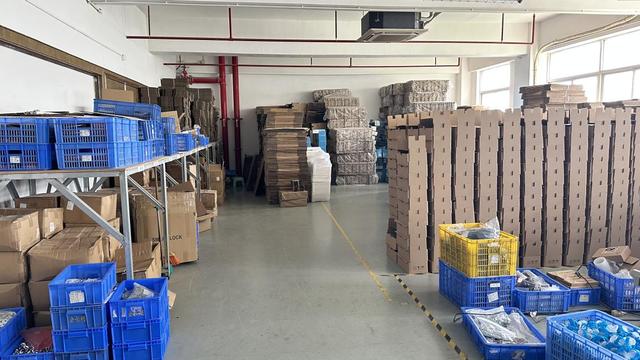
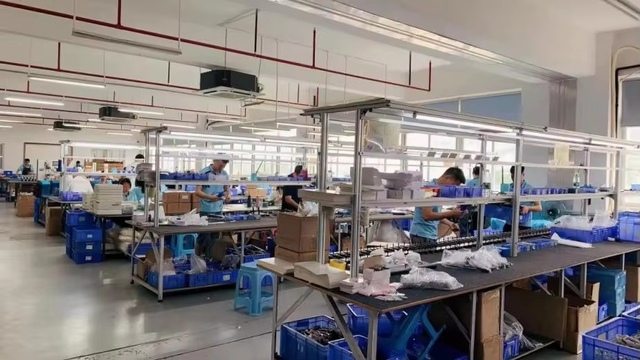
By purchasing direct from our manufacturing facility in Dongguan, buyers bypass multiple middle layers, securing tier-1 pricing that offsets local Brazilian import duties. Additionally, we provide tailored SKUs that group hardware modules (e.g., matching controllers with corresponding readers and brackets) to optimize shipping volume and simplify declarations through the Brazilian Siscomex (RADAR) portal.
Dongguan Tahiti Lock Co., Ltd.
Your Trusted OEM/ODM Partner for Global Security Projects
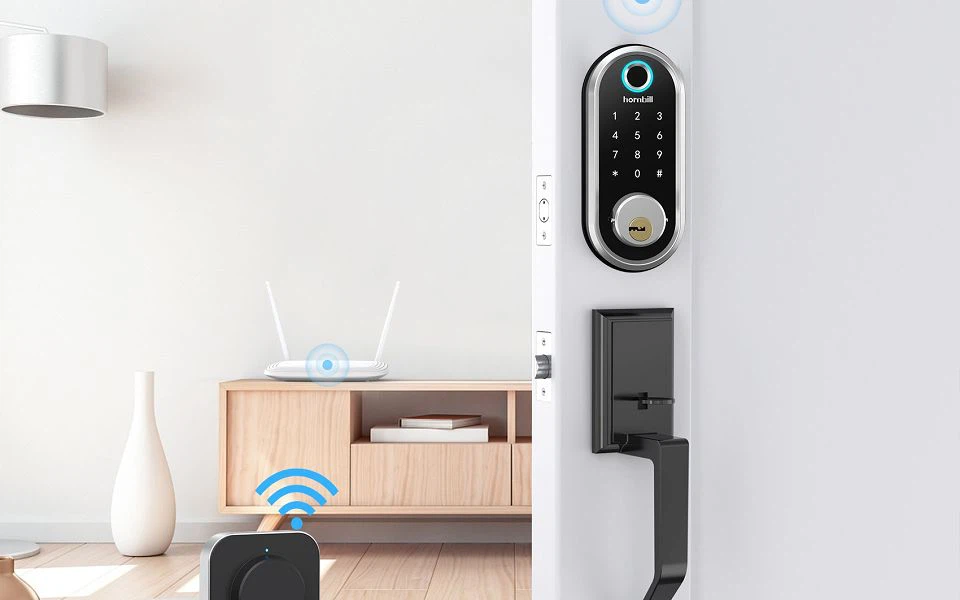
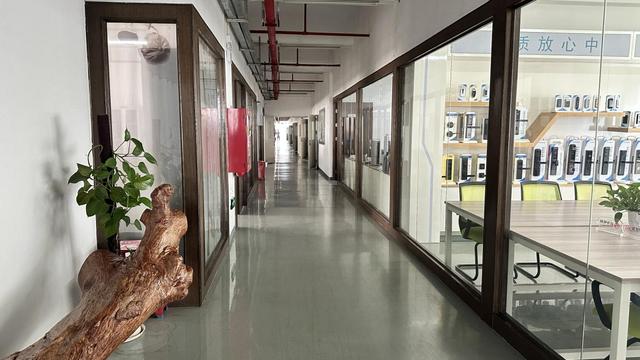
Dongguan Tahiti Lock Co., Ltd. is a professional manufacturer specializing in smart access control systems and electric locks, providing integrated commercial security solutions for global customers. With a strong focus on innovation, reliability, and safety, the company is committed to developing advanced locking technologies that meet the evolving needs of modern buildings, enterprises, and industrial facilities.
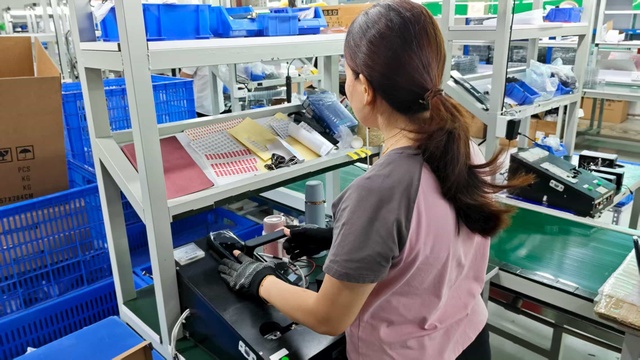
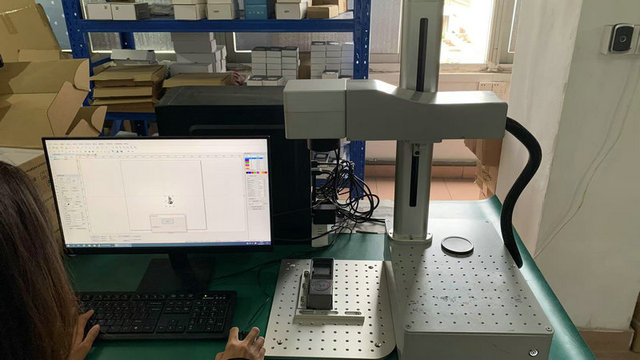
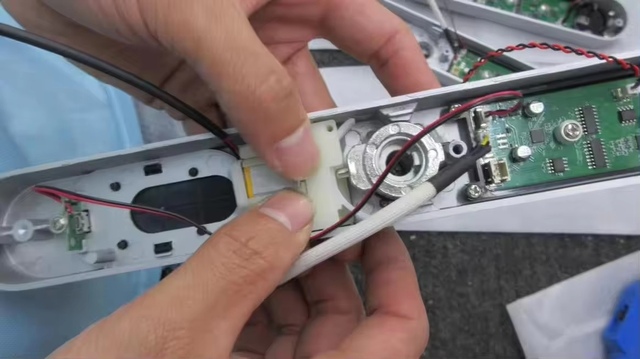
Backed by a skilled R&D team and advanced manufacturing capabilities, Dongguan Tahiti Lock Co., Ltd. continuously improves product performance and durability while maintaining strict quality control standards. The company adheres to international certifications and testing requirements, ensuring that each product delivers stable operation and long service life.
In addition, we provide OEM and ODM services to support brand customization and project-specific requirements. With a customer-centric approach and global service network, Dongguan Tahiti Lock Co., Ltd. aims to be a trusted partner in delivering high-quality smart security solutions worldwide.
Get Factory Price Quote



Enterprise Procurement Requirements: Integration, SDKs and Scalability
For systems integrators working with large clients in São Paulo—such as major financial corporations, high-rise developments, or logistics facilities—hardware flexibility is critical. Access controllers must integrate cleanly with third-party software, including human resource attendance trackers (like local platforms Senior Sistemas or Secullum) and larger enterprise management platforms (SAP/Oracle).
To support this, our hardware range includes Linux-based and Android-based controllers featuring open-source SDKs and comprehensive REST APIs. Integrators can customize access rules directly on the device, configure offline authentication routines to maintain security during network outages, and implement dual-layer verification (e.g., card scan + facial match) for high-security zones. Our readers support Wiegand 26/34/66 interfaces alongside secure, bi-directional OSDP (Open Supervised Device Protocol) to secure communications between the reader and controller against wiretapping.
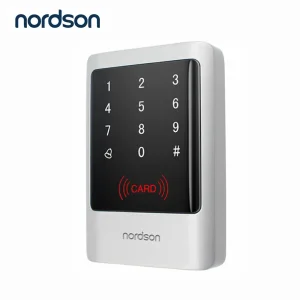
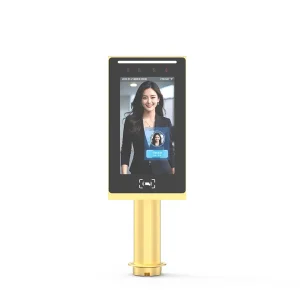
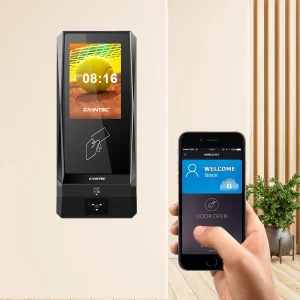
Commercial Security Catalog for São Paulo Markets
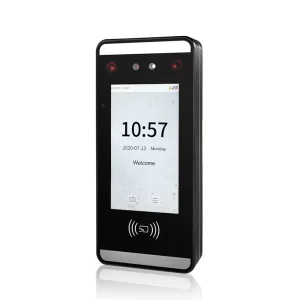
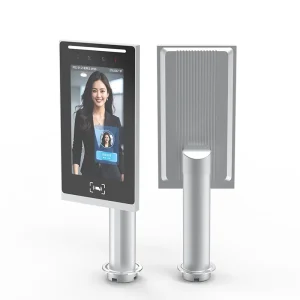
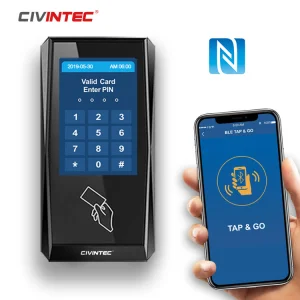
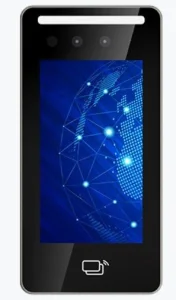
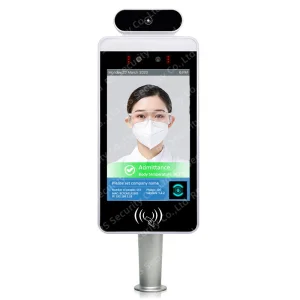
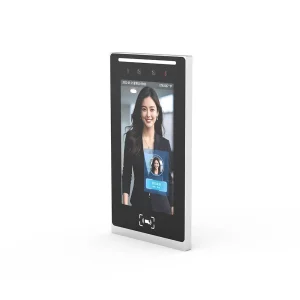
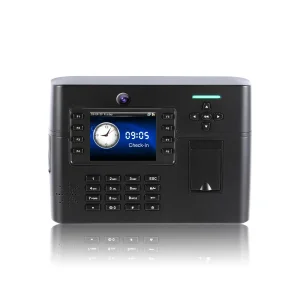
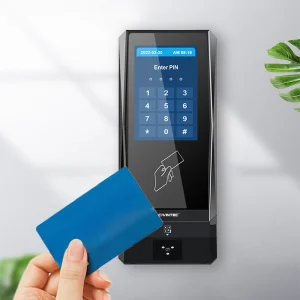
High-reliability access terminals, controllers, and readers designed for flexible integration in local corporate and industrial spaces.
Access Control System Trends: Decoupled and Interoperable
How the shift toward cloud frameworks, mobile credentials, and edge computing is reshaping physical security across the globe.
1. Mobile Credentials & Cardless Access Control (NFC/BLE)
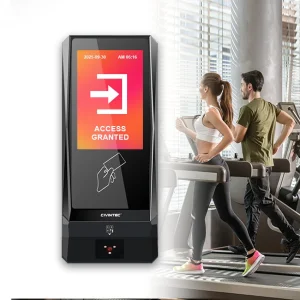
The global access control industry is rapidly moving away from physical cards toward virtual mobile credentials stored securely in Apple Wallet or Android equivalent apps. By leveraging built-in Bluetooth Low Energy (BLE) and Near Field Communication (NFC) protocols, smartphones can securely transmit encryption keys to door readers from several meters away. This eliminates card loss, minimizes administrative card-issuance workflows, and provides a contact-free user experience tailored for corporate campuses.
2. Biometric Fusion & Multimodal Verification
Single-factor biometrics (e.g., standard optical fingerprint scans) are vulnerable to environmental interference and dry skin conditions. Modern security infrastructure integrates facial recognition, palm vein scanning, and fingerprint verification onto a single platform. For ultra-secure facilities such as server rooms and research labs, dual-factor authentication—such as matching a registered RFID card with real-time facial verification—ensures access protocols remain uncompromised.
3. Transition to OSDP (Open Supervised Device Protocol)
The decades-old Wiegand standard transmits card data in cleartext, leaving it vulnerable to inline packet sniffers and signal capture devices. OSDP, standardized as IEC 60839-11-5, implements secure AES-128 channel encryption between the reader and controller. It also enables bi-directional communication, allowing systems to monitor reader status and display custom user prompts or error codes directly on the reader display.
4. Cloud-Managed Access Control (ACaaS)
Access Control as a Service (ACaaS) simplifies system management by moving access control databases, authorization engines, and system logging from local servers to secure cloud instances. This architecture allows security teams to manage access rights globally, generate automated traffic audits, and receive instant alerts on entry anomalies from any device connected to the network.
Frequently Asked Questions (FAQ)
Technical guidance for architects, security system integrators, and import managers looking to procure equipment for South American deployment.
Ready to Secure Your Commercial or Industrial Project?
Connect with our engineering and logistics specialists to obtain custom quotes, sample systems, and integration support tailored for the Brazilian market.
Send Inquiry Now