 Tahiti Lock
Featured Door Entry Control Solutions in Philadelphia
Providing reliable access mechanisms for high-traffic environments, combining biometric security with sleek architecture.
Executive Summary: The Evolution of Access Control
In the contemporary urban landscape, physical security is no longer defined merely by solid locks and mechanical barriers. Rather, it is a complex, networked discipline that merges software protocols, mechanical durability, and user interface design. This whitepaper analyzes the Door Entry Control System market, focusing on the specific security, historical, and architectural requirements of the Philadelphia metropolitan region, while bridging these requirements with advanced global supply networks.
Access control infrastructure must adapt to modern threats while satisfying tenant expectations for frictionless movement. From simple smart card authentication to state-of-the-art multi-spectral facial recognition terminals, today's ecosystems must support complex integration protocols. They need to connect with fire safety controllers, Building Management Systems (BMS), and human resources attendance software. This paper highlights how modern architectural components meet these demands, offering scalability, secure transmission protocols, and long-term mechanical reliability.
Philadelphia Commercial & Industrial Security Landscape
The Greater Philadelphia area represents a unique security integration scenario. It features a diverse mix of historic, mid-century, and modern buildings. Each type has its own physical restrictions and security profiles. From the office high-rises of Center City to the biotech laboratories of University City and the shipping yards along the Delaware River, access solutions must adapt to distinct local requirements.
Historic Preservations and Architectural Adaptations
Installing entry control in landmark buildings across Old City and Society Hill demands non-invasive physical profiles. Traditional heavy drilling and wiring are often restricted to protect historical masonry. Installers frequently use low-profile magnetic locks, wireless battery-powered entry nodes, and surface-mounted exit devices. These products allow integration into historic entryways without compromising their structural integrity.
Biotech & High-Security Commercial Scenarios
In contrast, the expanding life sciences sector in University City requires strict compliance protocols (such as FDA validation and HIPAA rules). In these environments, dual-factor authentication is the standard. Touchless biometric terminals, high-frequency RFID card readers, and encrypted smart locks secure clean rooms and data archives. These devices prevent credential cloning and capture high-resolution access logs for audits.
Industrial Logistics and Ports
The industrial and shipping zones along the Port of Philadelphia and the Delaware River Corridor require ruggedized systems. Outdoor gates, logistics depots, and employee turnstiles must withstand extreme weather conditions. Equipment used here must have an IP65 waterproof rating, use heavy-duty materials like cast aluminum alloy, and incorporate surge protection to ensure continuous operation in harsh industrial environments.
Specialty & Mobile Access Control Terminals
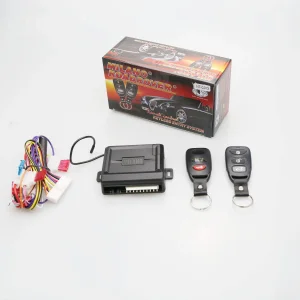
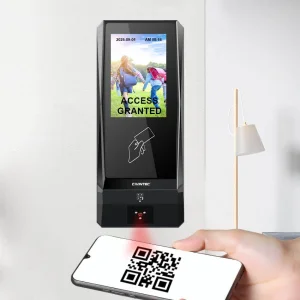
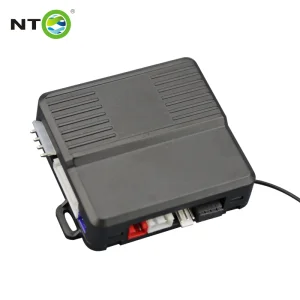
Innovative security solutions for automotive, residential gate applications, and flexible remote controls.
Global Access Control Paradigm & Technological Trends
The global physical security sector is undergoing a major shift toward open standards, cloud management, and unified credentials. Traditional closed-loop setups are being replaced by interoperable architectures. These new systems prioritize scalability, convenience for tenants, and deep integration.
The Shift to OSDP (Open Supervised Device Protocol)
The industry is transitioning away from older Wiegand wiring protocols, which lack encryption and are vulnerable to intercept devices. System designers now specify OSDP (IEC 60839-11-5). OSDP supports secure AES-128 channel encryption, bidirectional communication, and constant device polling. This ensures that any line cut or physical tampering triggers an immediate alert to central monitoring teams.
Mobile Credentials and Multi-Frequency Support
Physical cards are increasingly replaced or augmented by BLE (Bluetooth Low Energy) and NFC credentials hosted on smartphones. Our dual-frequency systems support legacy 125kHz Proximity technology alongside secure 13.56MHz MIFARE DESFire protocols and mobile virtual tokens. This flexibility allows facility managers to transition to higher security standards at their own pace, without replacing all existing credentials at once.
AI-Driven Biometrics and Edge Processing
Modern facial recognition devices now process data at the edge rather than sending high-bandwidth streams to a central server. Built-in neural processing units (NPUs) use advanced deep-learning models to analyze facial vectors in milliseconds. They confirm identity even when users are wearing masks, glasses, or hats, and utilize dual-lens cameras to prevent spoofing with printed photos or digital displays.
The Chinese Manufacturing Advantage (Tahiti Lock Focus)
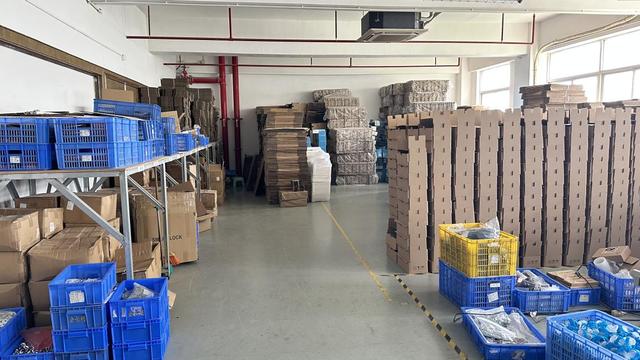
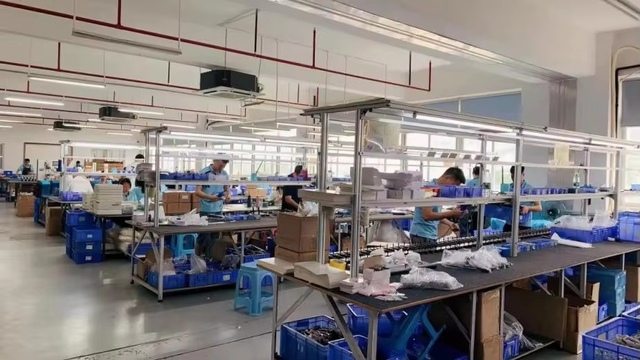
Dongguan Tahiti Lock Co., Ltd. is a professional manufacturer specializing in smart access control systems and electric locks, providing integrated commercial security solutions for global customers. With a strong focus on innovation, reliability, and safety, the company is committed to developing advanced locking technologies that meet the evolving needs of modern buildings, enterprises, and industrial facilities.

Our product portfolio covers a wide range of smart security solutions, including access control systems, electric strike locks, magnetic locks, biometric locks, and intelligent door locking systems. These products are widely used in offices, residential complexes, hotels, hospitals, warehouses, and commercial buildings, ensuring secure, convenient, and efficient access management.
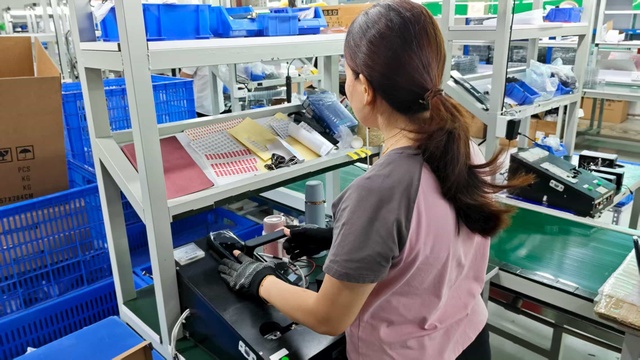
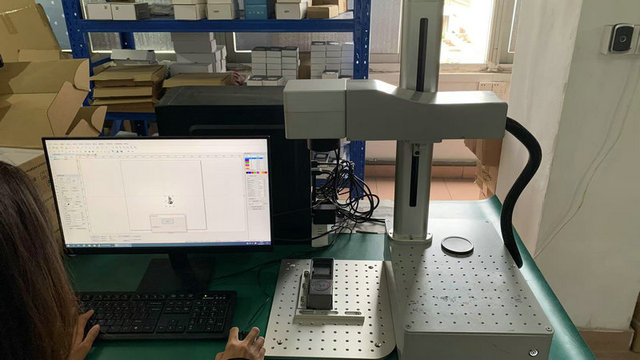
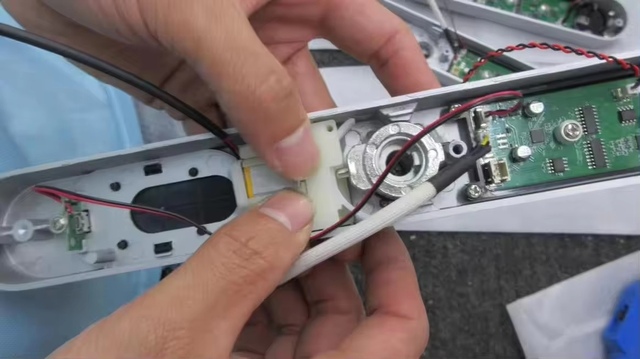
Backed by a skilled R&D team and advanced manufacturing capabilities, Dongguan Tahiti Lock Co., Ltd. continuously improves product performance and durability while maintaining strict quality control standards. The company adheres to international certifications and testing requirements, ensuring that each product delivers stable operation and long service life.
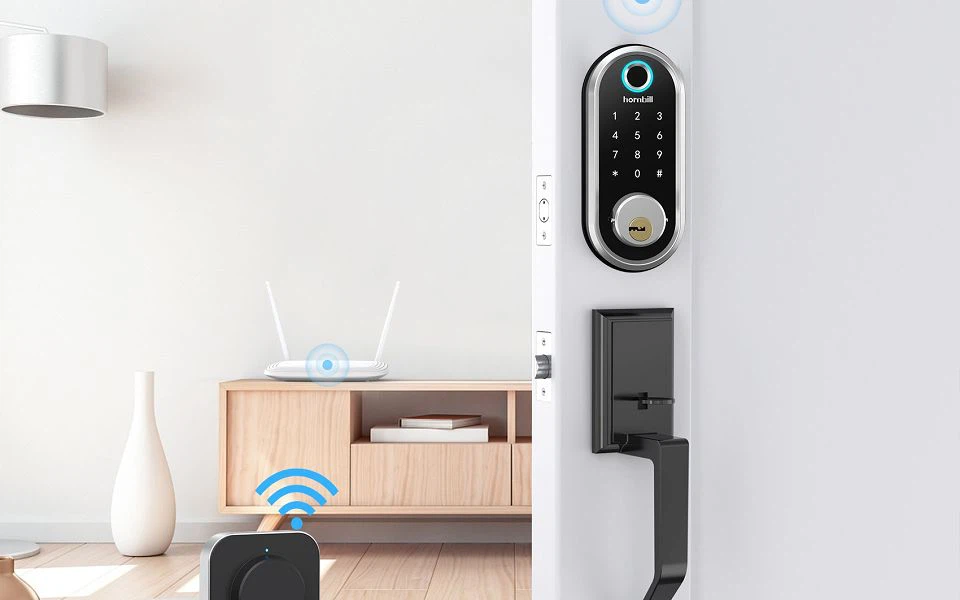
In addition, we provide OEM and ODM services to support brand customization and project-specific requirements. With a customer-centric approach and global service network, Dongguan Tahiti Lock Co., Ltd. aims to be a trusted partner in delivering high-quality smart security solutions worldwide.
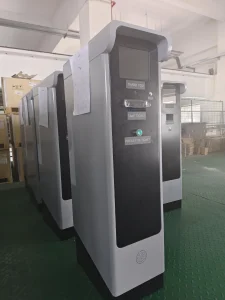
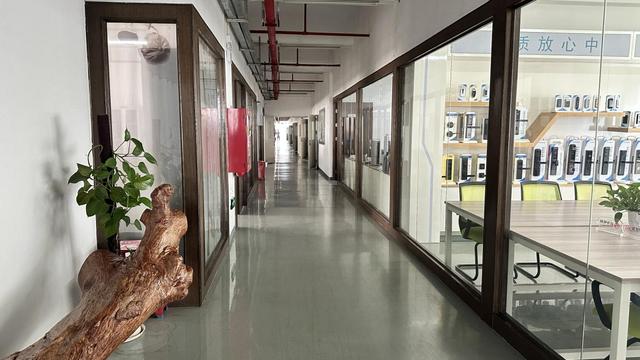
Our Manufacturing Operations



Localized Application Scenarios in Philadelphia
Effective access control requires tailoring components to specific physical spaces and usage patterns. Below are four common integration templates used by system designers in the Delaware Valley region.
Corporate Offices & Co-working Hubs
Integrating wireless RFID door locksets with employee schedules. This simplifies credentialing, allows desk-sharing configurations, and generates occupancy data for facilities planning.
Healthcare & Biotech Labs
Using face recognition terminals and magnetic interlock airlocks (mantraps) to prevent contamination, restrict access to pharmaceuticals, and comply with strict health and safety audits.
Multifamily Residential & Mixed-Use
Combining video door phones with visitor management mobile apps. This allows residents to securely grant entrance to delivery services and guests, reducing package theft and unauthorized access.
Full Catalog: Commercial Access Systems & Vehicle Integration
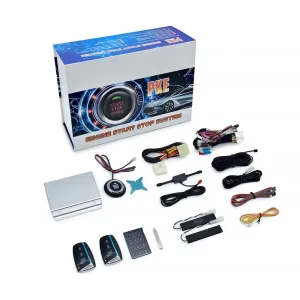
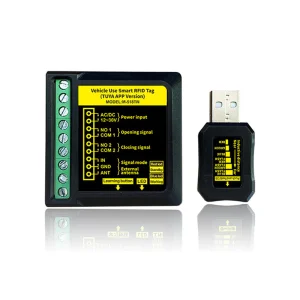
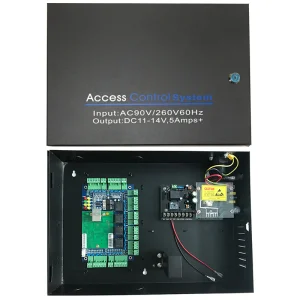
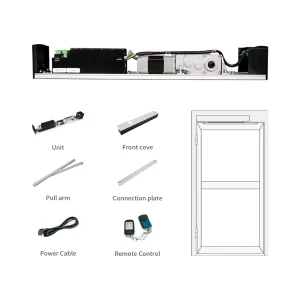
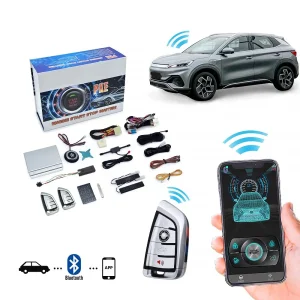
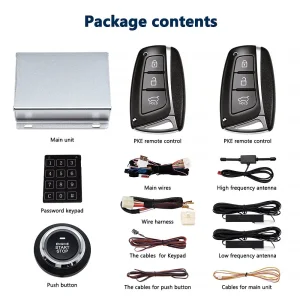
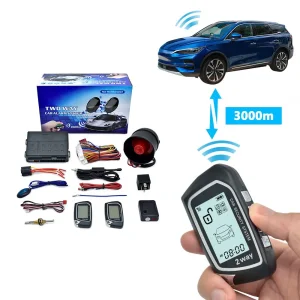
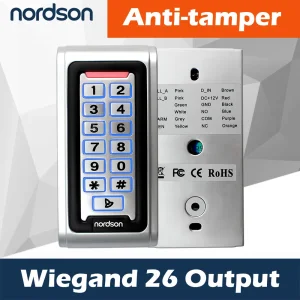
Explore our full line of access controllers, smart locks, remote start alarms, and vehicle keyless systems built for commercial exports.
Frequently Asked Questions (FAQ)
Technical clarifications on deployment, protocols, custom manufacturing, and regional compatibility.
1. What are the advantages of OSDP compared to traditional Wiegand protocols?
OSDP (Open Supervised Device Protocol) is a modern communication standard that supports AES-128 encryption. This prevents intercept tools from reading data transmissions between the reader and the controller. In contrast, older Wiegand connections are unencrypted, leaving them open to snooping and cloning devices. OSDP also provides bidirectional communication, allowing controllers to actively monitor reader health and trigger an alarm if a device goes offline or is tampered with.
2. How do your systems comply with Philadelphia’s NFPA life safety codes?
Our electric locks and magnetic lock systems feature dedicated emergency power-off inputs. These connect directly to building fire alarm control panels (FACP). In the event of a fire alarm trigger, power is automatically cut to fail-safe locks, allowing building occupants to exit safely without needing to scan credentials. This setup is essential for passing inspections under the NFPA 101 Life Safety Code.
3. What customization options (OEM/ODM) do you offer for distributors?
We offer full-service OEM and ODM customization. This includes custom branding, custom firmware, integration with specific APIs or SDKs (such as Tuya or private cloud networks), modified bracket designs for historic doors, and custom packaging. Clients can request changes to voltage requirements, reader frequencies, and cosmetic finishes to match local market preferences.
4. Can these entry controllers integrate with existing third-party access control platforms?
Yes. Our networked controllers support TCP/IP, Wi-Fi, and standard Wiegand/OSDP outputs. This compatibility allows them to interface with popular security platforms. We also provide full SDK documentation. This allows software teams to build direct connections to their own management tools, tenant portals, or gym scheduling programs.
5. How does your factory ensure the durability of locks and controllers?
We maintain strict quality control at our facility. Our electric locks undergo continuous testing of up to 500,000 cycles, and we subject electronic parts to environmental chamber testing. These procedures test operation under high humidity, extreme temperatures, and power surges. This testing ensures that products shipped to regions with variable weather, like Philadelphia, run reliably year-round.